
What Makes A Balustrade Safe For Children And Pets?

October 19, 2026

A safe balustrade protects children and pets by combining the correct height, appropriately sized gaps, strong materials and secure installation. It should also discourage climbing and meet the Australian building requirements that apply to the property. For Wollongong homeowners, these considerations are especially important around balconies, staircases, decks and elevated outdoor entertaining areas. Understanding what makes a balustrade safe can help you make informed decisions when building, renovating or upgrading your home.

Why Is Balustrade Safety Important for Families?

Balustrades provide a protective barrier along elevated surfaces and stairways where a fall could cause injury. While their appearance contributes to a home's design, their primary purpose is to help prevent falls. Children and pets introduce additional safety considerations because they interact with barriers differently from adults. Young children may attempt to climb horizontal rails, squeeze through openings or lean against balustrades. Small dogs and other pets may also fit through gaps that appear too narrow to concern an adult. A well-designed balustrade should account for these behaviours rather than relying on supervision alone.

What Are the Australian Safety Requirements for Residential Balustrades?

Australian building regulations establish minimum requirements for barriers, including their height, openings and structural performance. In NSW, residential balustrades generally need to comply with the applicable National Construction Code (NCC) provisions and relevant Australian Standards. The exact requirements depend on the location, building classification, fall height, stair configuration and applicable NCC edition..

How High Should a Residential Balustrade Be?

Under common NCC housing provisions, a barrier is generally required where a person could fall one metre or more from a trafficable surface.

For typical residential applications, minimum barrier heights generally include:


  • 1,000 mm: For many balconies, decks, landings and other elevated surfaces.
  • 865 mm: For certain stair flights and associated locations, subject to the applicable provisions.


These figures are general guidance, not a substitute for assessing the specific installation. Different requirements can apply to stairways, landings, existing buildings and other circumstances. Homeowners should have the proposed design checked against the relevant NCC requirements before installation.

How Wide Can the Gaps Between Balustrade Components Be?

Gap spacing is particularly important when children or small pets use the area. For many residential barriers, the NCC limits openings so that a 125 mm sphere cannot pass through them. Different provisions can apply to particular stair configurations and locations. This requirement helps reduce the risk of children slipping through openings, but it does not guarantee that every pet will be contained. A small dog, for example, may fit through an opening that meets the general building requirement. Families with smaller pets may benefit from narrower gaps or appropriately designed solid infill panels.

Can Children Climb a Balustrade?

Some barrier designs can create footholds that make climbing easier. Horizontal rails, decorative elements and nearby furniture may give children opportunities to climb towards the top of a balustrade. The NCC includes non-climbability provisions for certain barriers, depending on the fall height and application. These requirements should be assessed during design rather than assumed to apply identically to every installation. For households with young children, vertical balusters or suitable glass panels may help reduce obvious climbing opportunities.

Which Balustrade Materials Are Suitable for Homes With Children and Pets?

The material you choose influences a balustrade's appearance, maintenance requirements and overall performance. Glass, aluminium and stainless steel are commonly used in residential balustrade systems, but their suitability depends on the complete design and installation.

Glass Balustrades

Glass balustrades provide clear views and a relatively continuous barrier, making them popular for balconies, decks and modern staircases.


For families, glass panels can reduce the gaps and horizontal footholds associated with some rail designs. However, balustrade glass must be selected and installed in accordance with the applicable glazing and structural requirements. Not every type of glass or fixing system is suitable for use as a safety barrier.


Glass also requires regular cleaning, particularly where children leave fingerprints or pets press against the panels.

Aluminium Balustrades

Aluminium balustrades are lightweight, corrosion-resistant and available in various designs and finishes. Vertical aluminium balusters can provide a practical solution for family homes when their spacing, height and structural design meet the applicable requirements. For coastal Wollongong properties, the quality of the surface finish, fixings and ongoing maintenance also matters because salt exposure can accelerate deterioration of unsuitable components.

Stainless Steel Balustrades

Stainless steel can provide a durable, contemporary balustrade system when the correct grade and components are selected. It is often used for posts, handrails and other structural fittings. However, horizontal wire or rail configurations require careful consideration in homes with children because they may create climbing opportunities. Stainless steel is also not completely maintenance-free, particularly in coastal environments where salt deposits can contribute to surface corrosion.

Why Does Balustrade Strength and Installation Matter?

A balustrade must do more than look sturdy. It needs to withstand the forces reasonably expected during everyday use. Children may lean against barriers, while adults may apply pressure to handrails. Outdoor balustrades can also experience environmental loads, including wind. The applicable Australian Standards and NCC provisions address structural performance, including relevant loads and deflection limits.


A compliant installation depends on the entire system, including:


  • Posts, panels and handrails
  • Brackets, anchors and other fixings
  • The strength and condition of the supporting structure
  • Appropriate installation methods
  • The system's suitability for its intended location


For example, fixing a balustrade to a deteriorated timber deck may compromise its performance even if the balustrade components themselves are suitable.

Professional assessment is particularly important when replacing an existing barrier or attaching a new system to an older structure.

How Can You Make a Balustrade Safer for Pets?

Pets have different physical abilities and behaviours, so a balustrade that works for one household may not suit another. A large dog may be unable to pass through standard openings, while a small dog or puppy could squeeze through them. Cats may also climb or jump over barriers that would contain most dogs.


When planning a pet-friendly balustrade, consider the following:


  • Opening sizes: Choose gaps appropriate for the size of your pet, not just the minimum building requirements.
  • Climbing opportunities: Avoid designs that create convenient footholds for animals that climb.
  • Panel security: Ensure infill panels and fixings are suitable for the intended use.
  • Surface condition: Check for sharp edges, protruding fixings and damaged components.
  • Access points: Make sure gates and adjoining barriers do not create unintended escape routes.


Solid glass panels may help contain some pets, but no standard residential balustrade should automatically be considered escape-proof. For particularly small or agile animals, additional purpose-designed containment measures may be necessary.

What Extra Safety Measures Should Families Consider?

Even a properly installed balustrade cannot eliminate every risk. How you arrange furniture and maintain the surrounding area can significantly influence safety, particularly where young children are present.

Keep Furniture Away From Balcony Edges

Outdoor chairs, storage boxes and planter stands can become climbing aids when positioned close to a balustrade. Keep movable objects away from barriers wherever children could use them to gain height.

Inspect Balustrades Regularly

Look for loose fixings, movement in posts, cracked glass, corrosion or damaged components. Coastal exposure, moisture and general wear can affect some materials and connections over time. If you notice movement or deterioration, arrange a professional inspection rather than attempting an improvised repair.

Consider the Surrounding Layout

A balustrade should work safely with nearby stairs, gates, flooring and changes in level. For example, a narrow gap between the end of a balustrade and an adjoining wall could create a hazard even if the main barrier meets its design requirements. Reviewing the entire area helps identify issues that may otherwise be overlooked.

Why Choose Professional Balustrade Installation in Wollongong?

Balustrade safety depends on accurate measurements, suitable materials, appropriate structural design and correct installation. An experienced installer can assess the intended location, identify potential challenges and recommend a system suited to the property's design and safety requirements. This is particularly important for elevated decks, balconies, staircases and coastal properties exposed to harsh environmental conditions.


When comparing balustrades Wollongong homeowners should consider more than appearance and price. Ask about the proposed system, applicable compliance requirements, fixing methods and any engineering or certification documentation needed for the project. Professionally designed and installed Wollongong balustrades can help homeowners achieve a practical balance between safety, durability and visual appeal.

Protect Your Family With a Well-Designed Balustrade

The safest balustrade for your home is one that suits the location, meets the applicable building requirements and accounts for how your family uses the space. Correct height, appropriate gap spacing, structural strength and secure installation all matter. For homes with children and pets, reducing climbing opportunities and considering smaller openings can provide additional peace of mind.


DT Balustrade provides custom-designed balustrade solutions for residential properties in Wollongong and surrounding NSW areas. Whether you're upgrading an existing balcony, building a new deck or planning a staircase, choosing the right system from the beginning is essential. Contact DT Balustrade to discuss your project and explore balustrade options suited to your home's design and safety needs.

FAQs

  • What Is the Minimum Height for a Balustrade in NSW?

    For many residential balconies, decks and landings, the minimum barrier height is generally 1,000 mm where a barrier is required. Certain stair flights have different provisions, commonly including an 865 mm minimum. The correct requirement depends on the location and applicable NCC provisions.

  • Are Glass Balustrades Safe for Children?

    Glass balustrades can be suitable for homes with children when they use compliant glazing, appropriate structural supports and correct installation methods. Their continuous panels can also reduce gaps and obvious footholds. However, families should still keep climbable furniture away from balcony edges.

  • What Is the Maximum Gap Allowed in a Balustrade?

    For many residential balustrades, openings must prevent a 125 mm sphere from passing through. Different rules may apply in certain stair configurations. Smaller gaps may be appropriate for households with small pets.

  • Are Horizontal Balustrades Safe for Children?

    Horizontal balustrades can create footholds that encourage climbing. The NCC restricts climbable elements in certain barrier applications, depending on the fall height and location. A professional should assess whether a proposed horizontal design meets the applicable requirements.

  • Do Existing Balustrades Need to Meet Current Australian Standards?

    Existing balustrades are not automatically required to be upgraded whenever building standards change. However, alterations, replacement work or identified safety issues may trigger additional requirements. Homeowners should seek advice from a qualified building professional or relevant approval authority before undertaking changes.

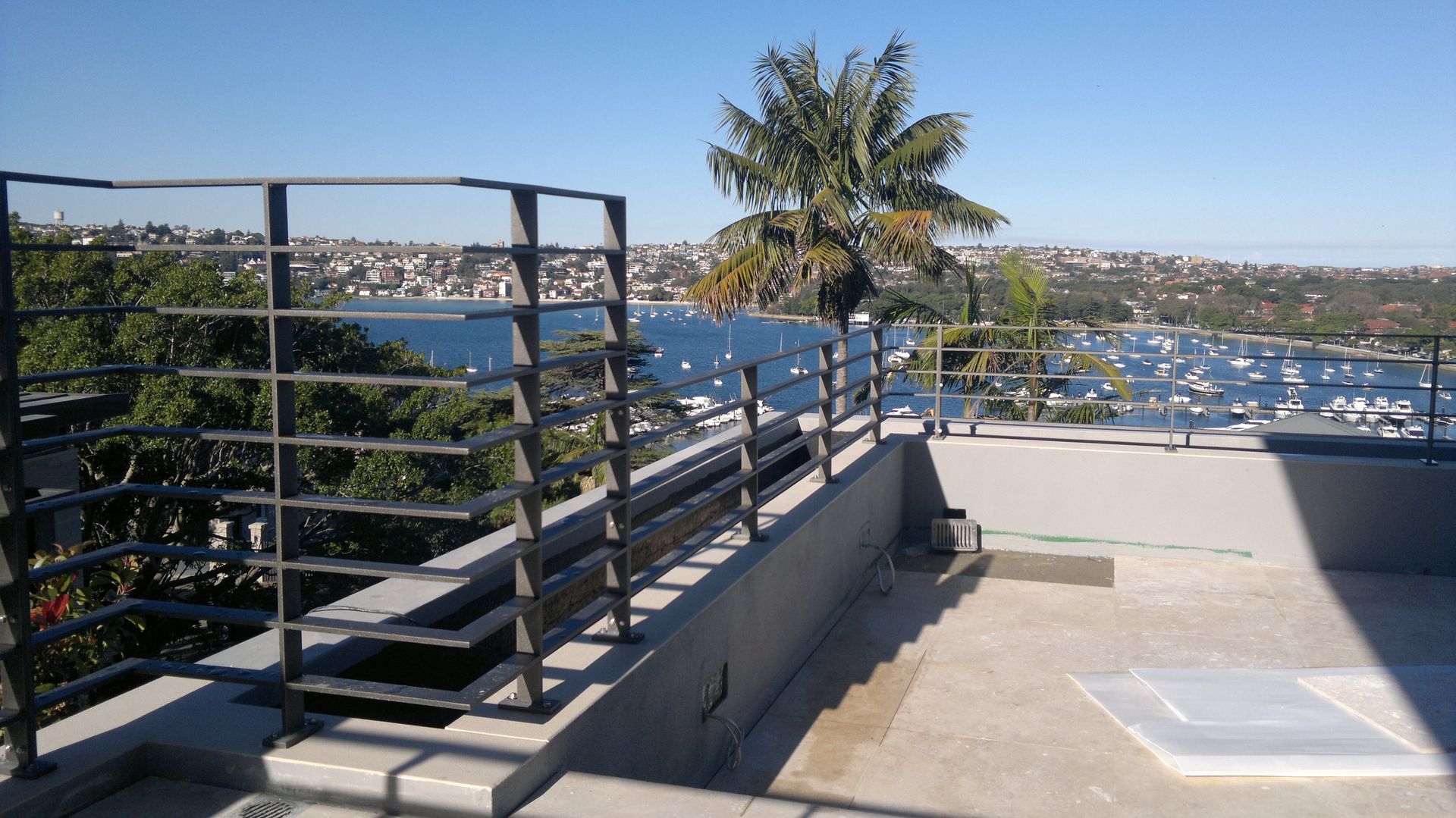
Steel Balustrades Wollongong Modern Balcony Railing With Waterfront View
By D & T Balustrade Systems • September 29, 2026
Learn practical coastal care tips for steel balustrades in Wollongong, including cleaning, corrosion prevention and common warning signs.
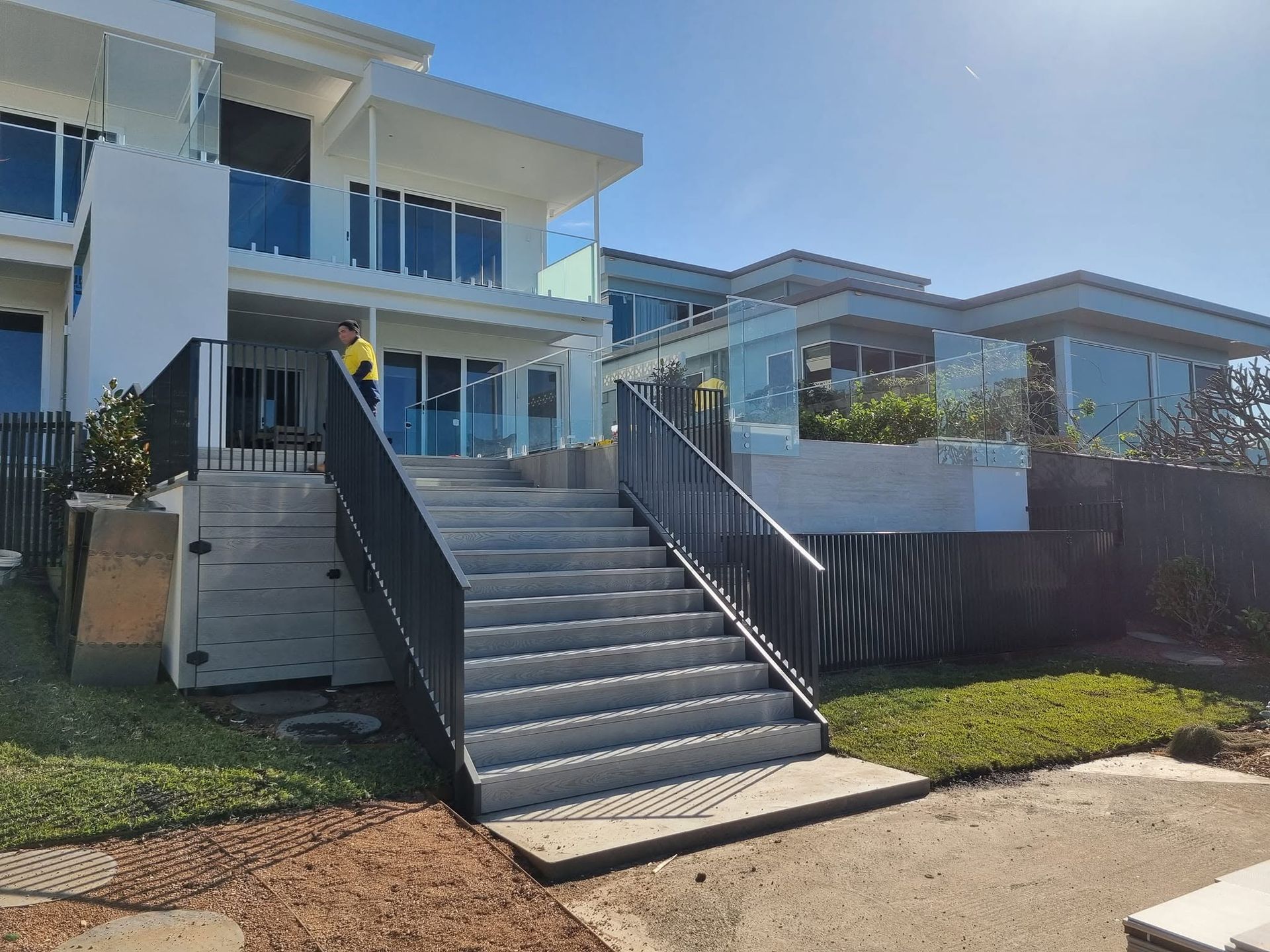
Professional Installer Of Balustrades In Wollongong
By D & T Balustrade Systems • July 30, 2026
Protect your home with compliant balustrades in Wollongong. Learn why correct installation matters and contact us today for expert advice.
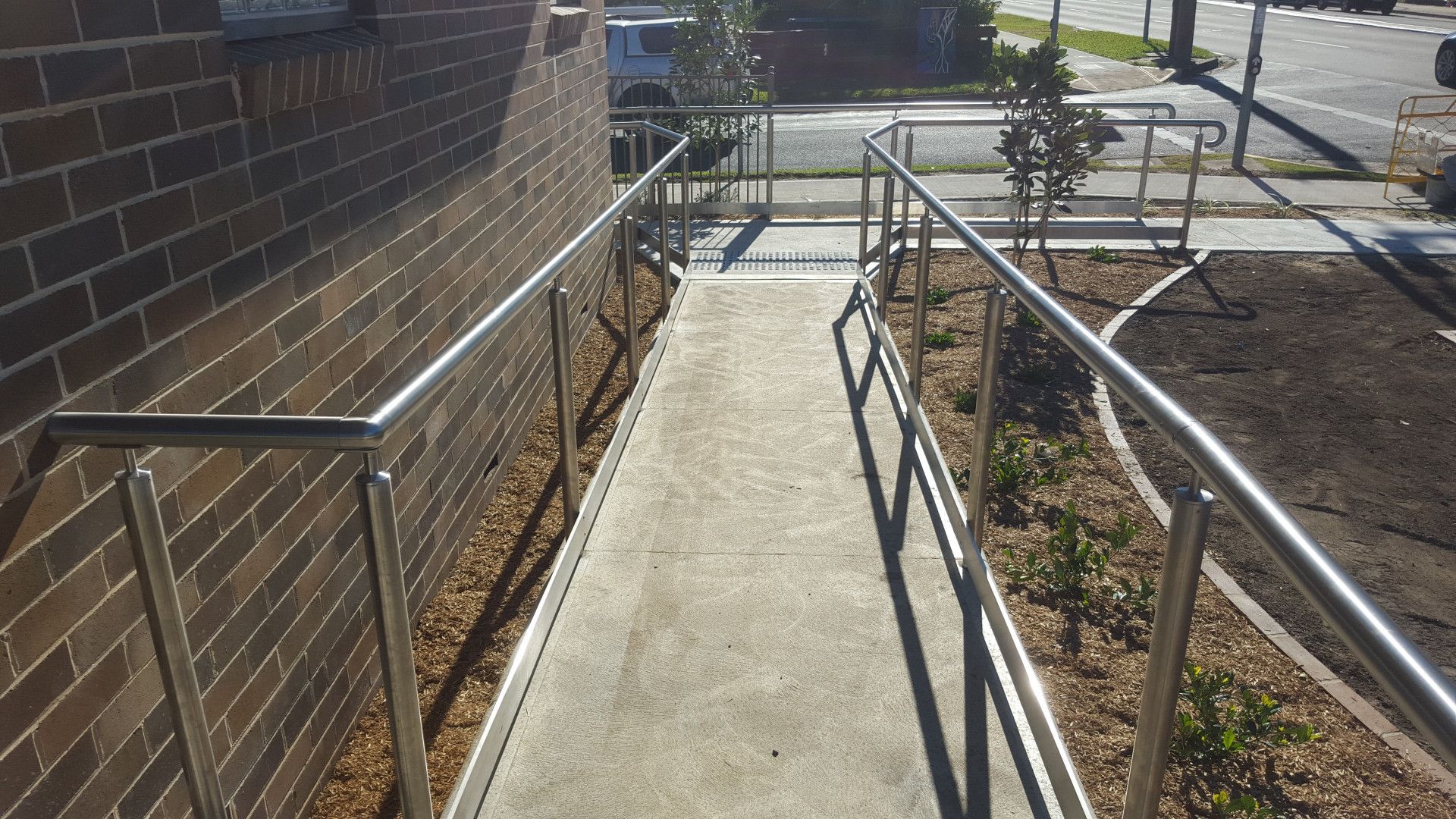
Balustrades In Wollongong
By D & T Balustrade Systems • July 14, 2026
Discover how Balustrades In Wollongong compare for coastal homes. Learn what suits your needs and contact us today.
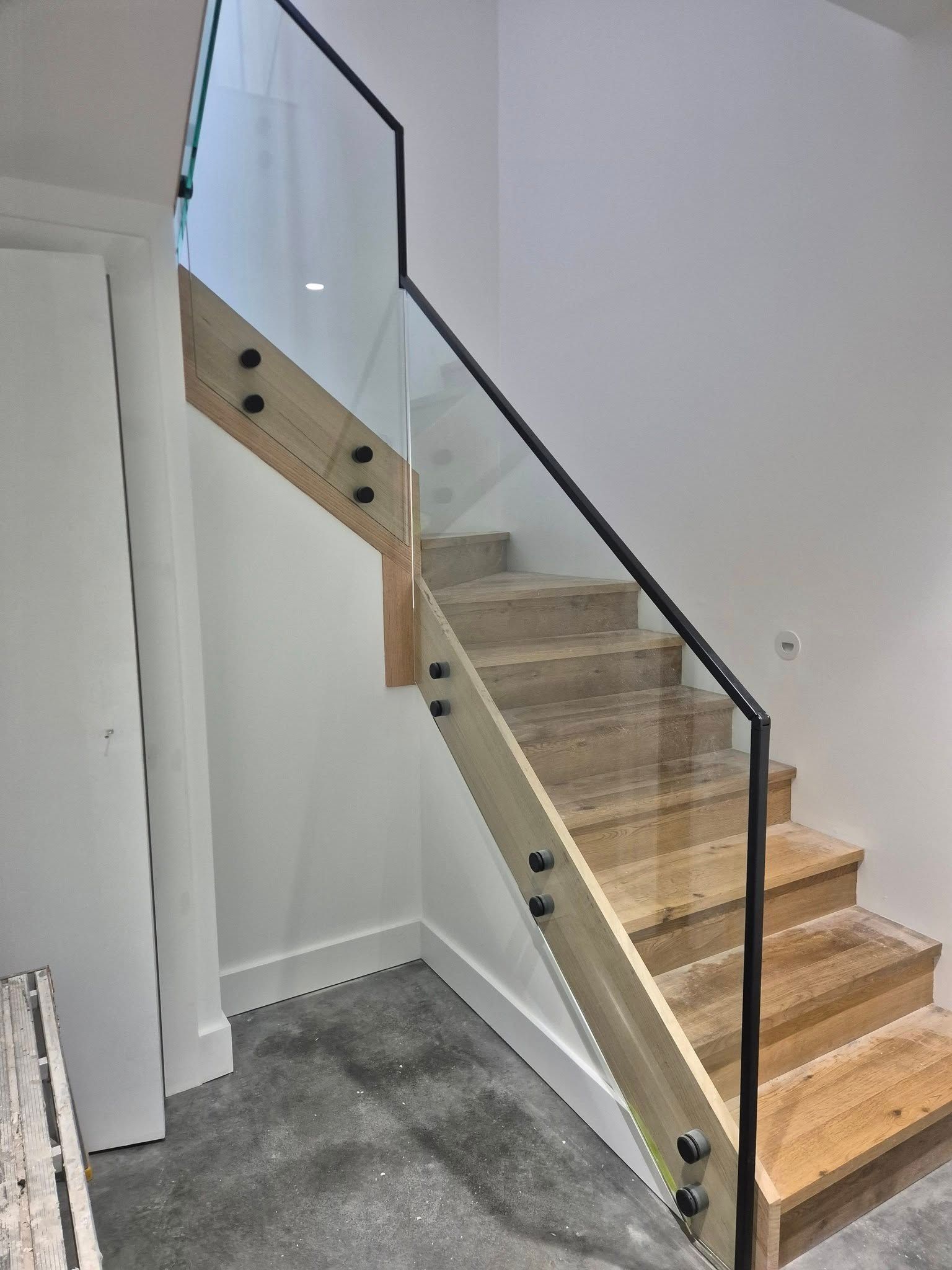
Modern Wooden Balustrades In Wollongong
By D & T Balustrade Systems • July 1, 2026
Learn what affects pricing for balustrades in Wollongong and compare key cost factors. Read the guide and plan with confidence.
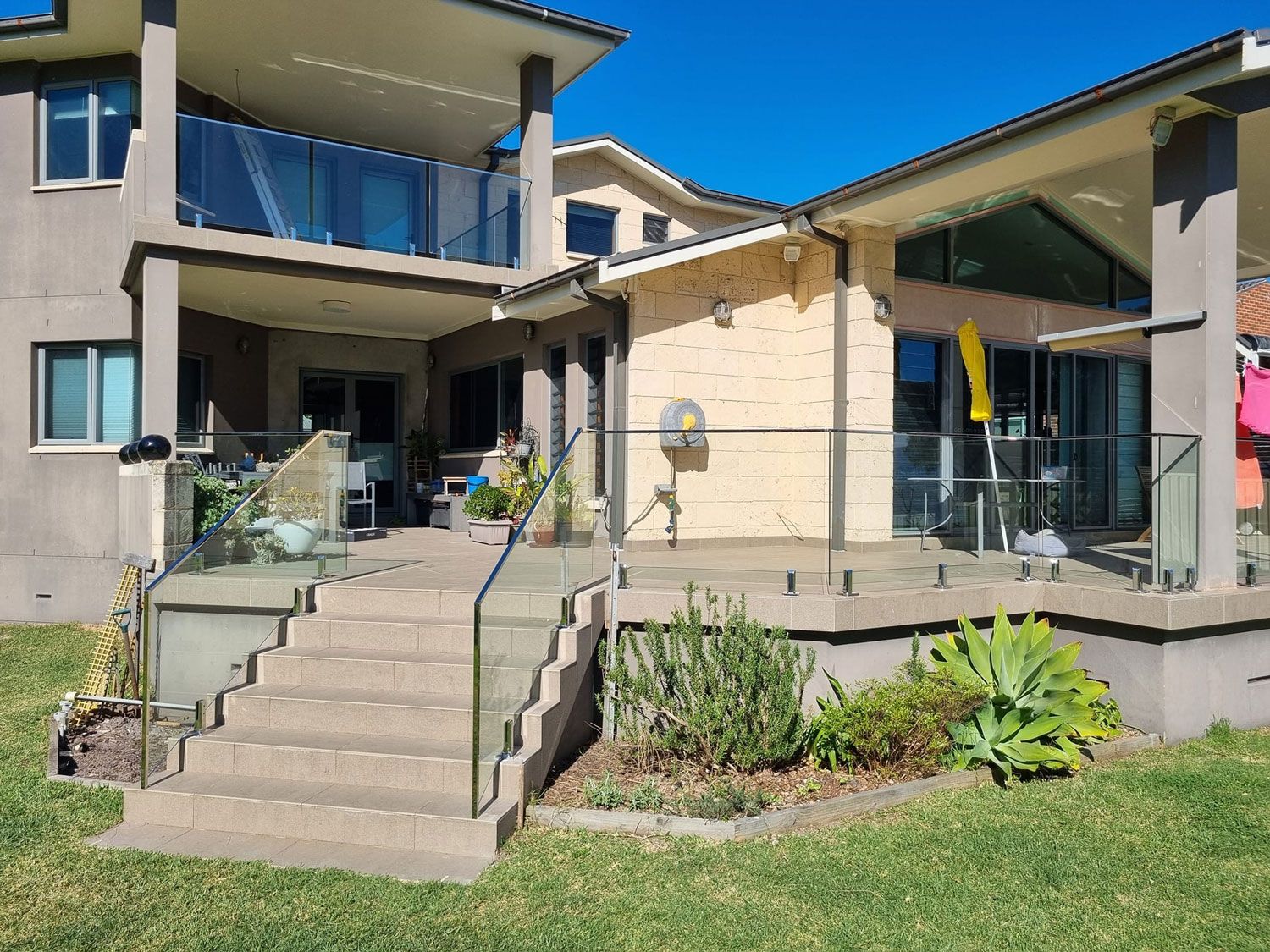
Newly Installed Glass Balustrades In Wollongong
By D & T Balustrade Systems • April 13, 2026
Learn the signs that glass balustrades in Wollongong are not installed properly and avoid safety risks. Fix issues; book a professional service today.
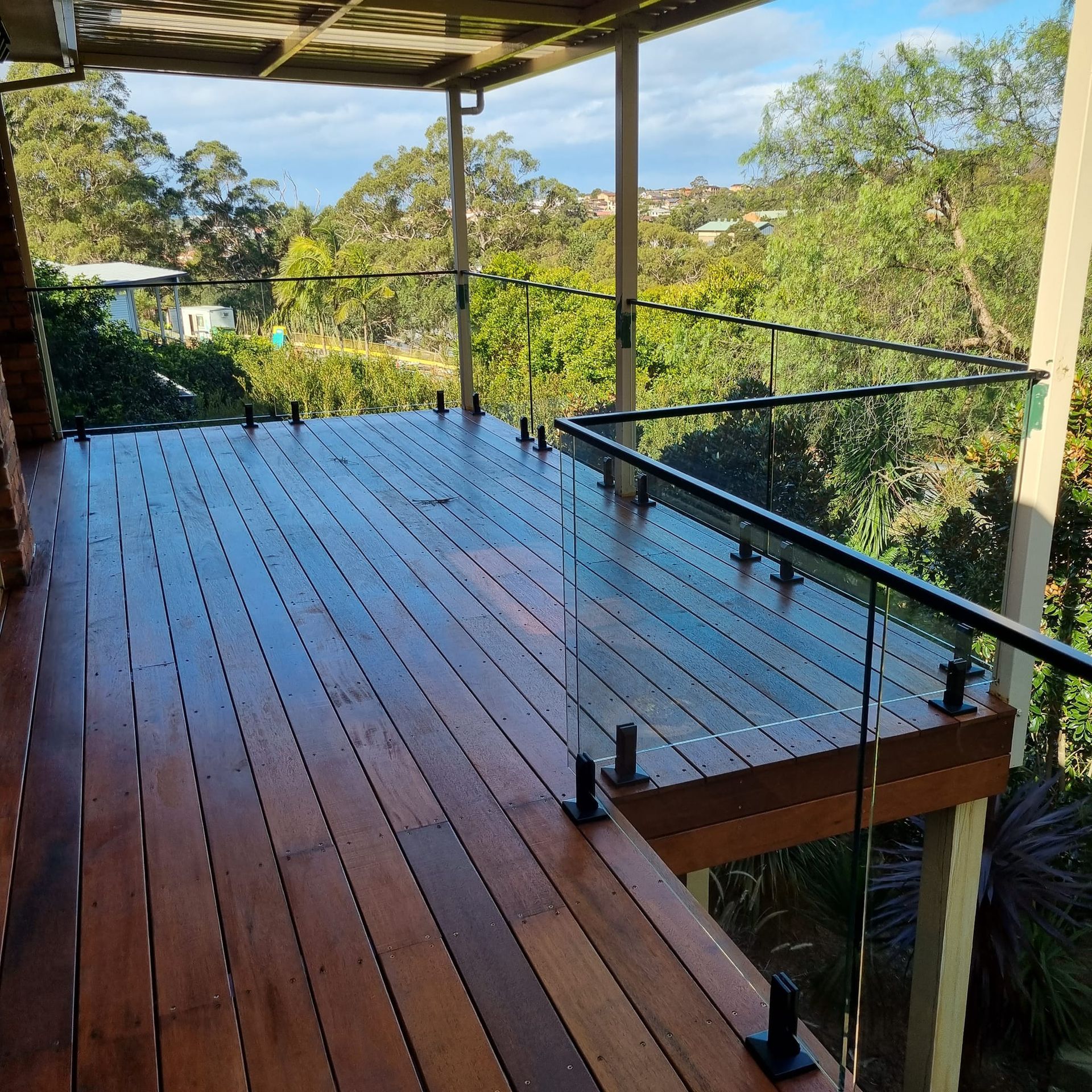
Spacious Wooden Deck With Glass Railings Overlooking Trees
By D & T Balustrade Systems • March 20, 2026
Know when to replace weather-damaged balustrades. Discover high-quality steel balustrade solutions in Wollongong. Get expert advice today.
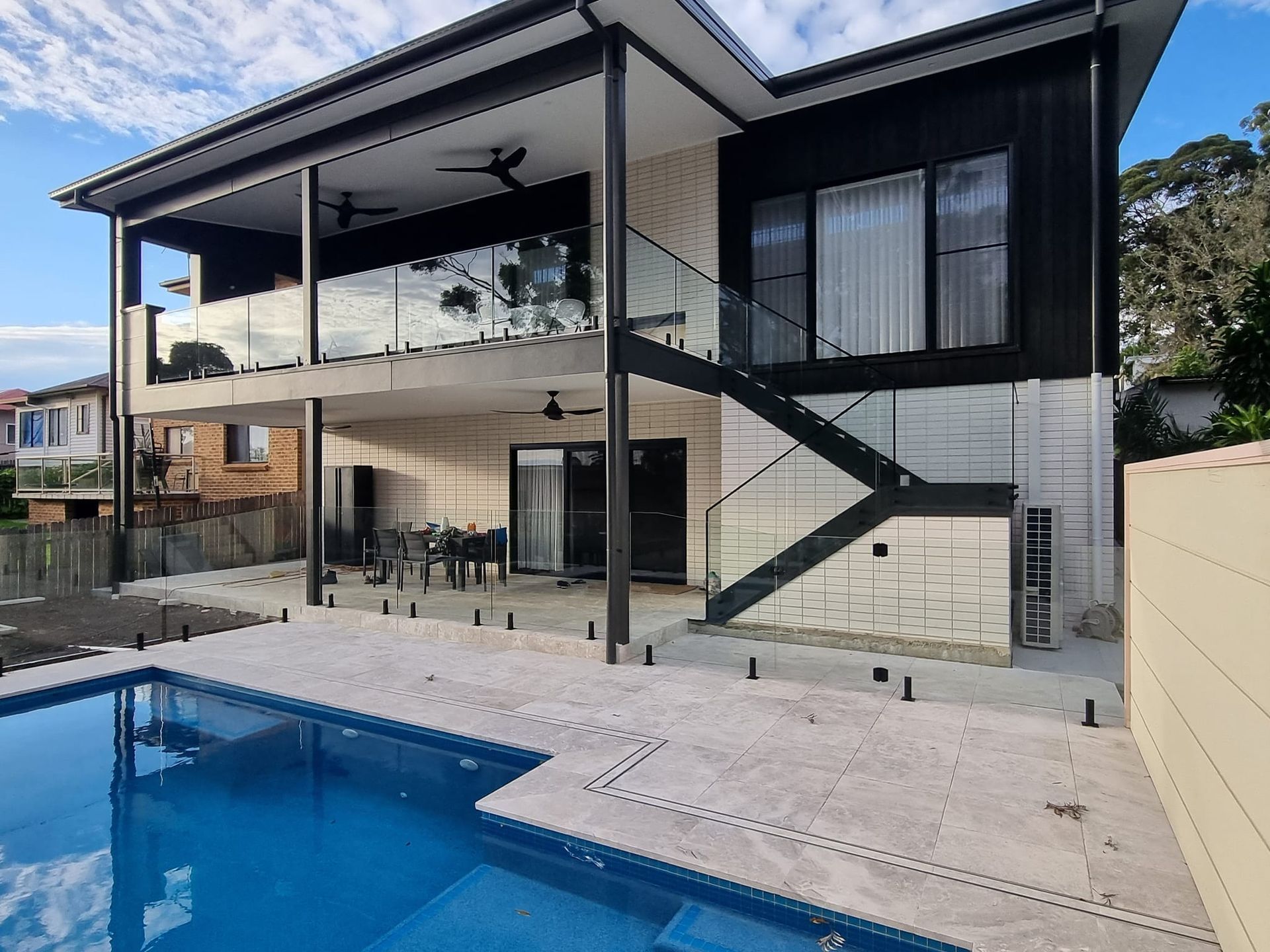
Balustrade On A Multi Storey House
By D & T Balustrade Systems • February 17, 2026
Discover why balustrades in Wollongong are essential for safety, style and compliance in multi-storey homes. Learn the benefits and plan today.
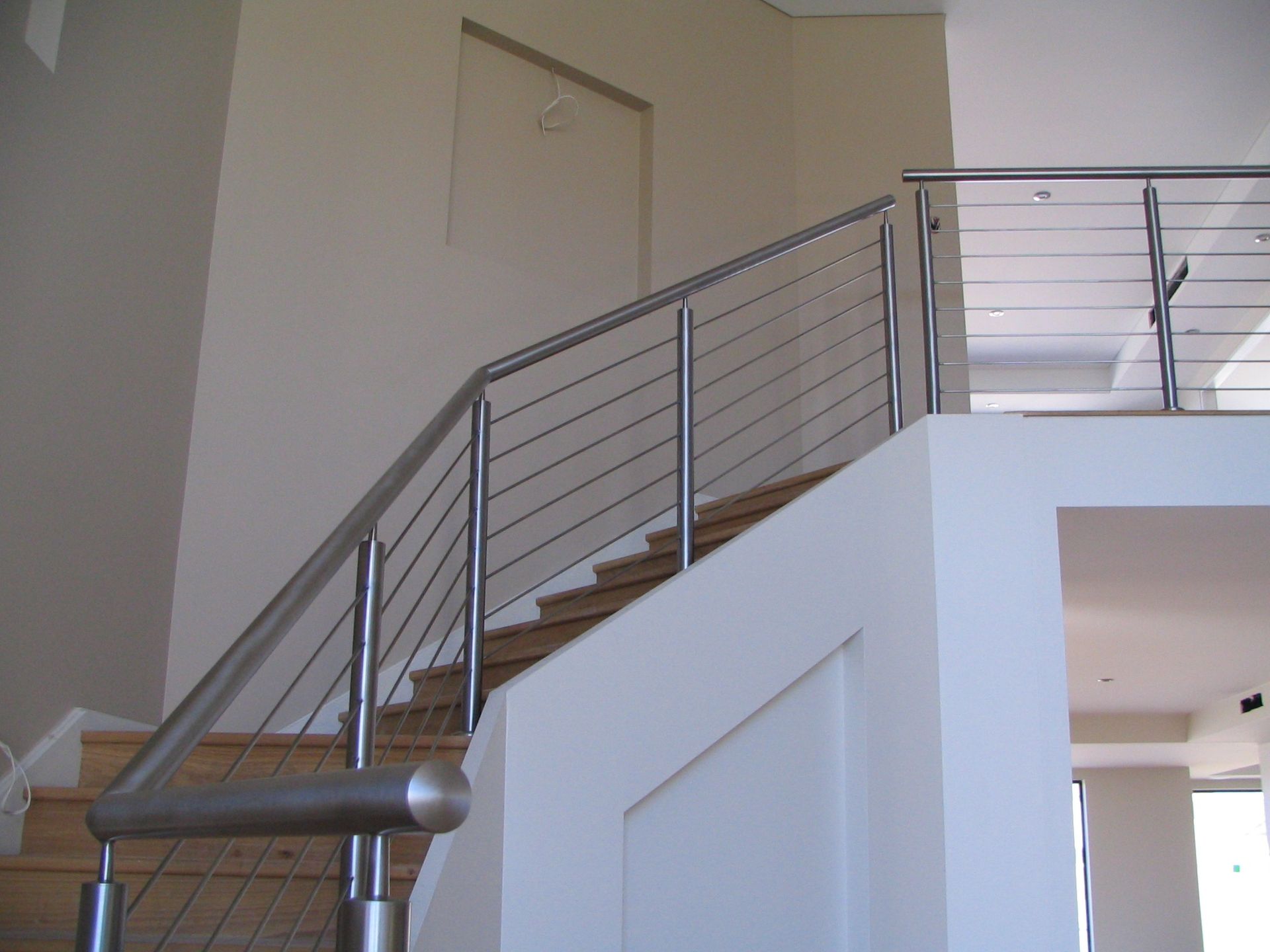
Modern Indoor Staircase With Sleek Balustrade
By D & T Balustrade Systems • January 5, 2026
View 2026 balustrade design trends with DT Balustrade. Discover modern balustrades in Wollongong for homes and businesses. Contact us today.
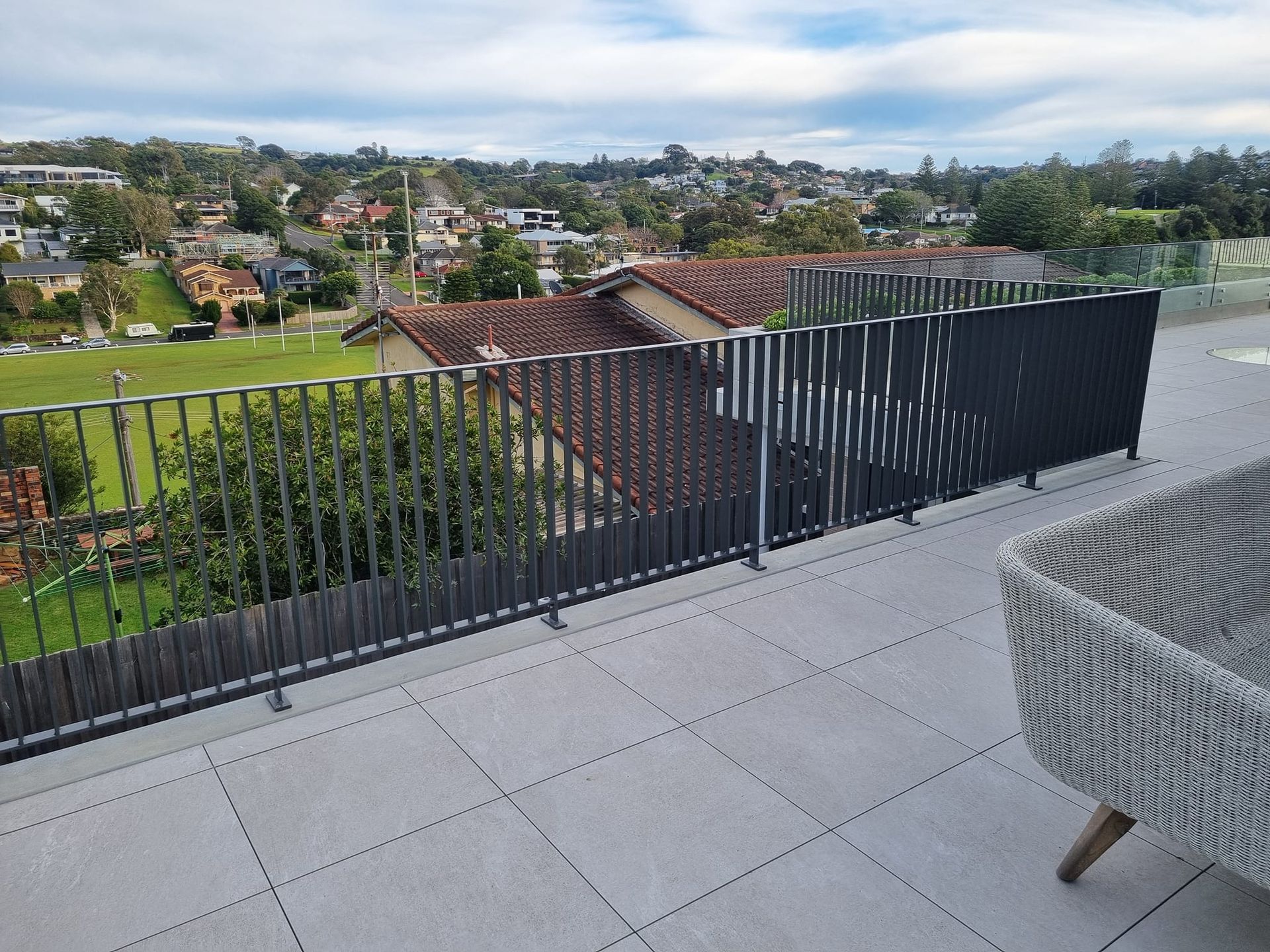
Rooftop With Dark Balustrades Overlooking A Residential Neighborhood
By D & T Balustrade Systems • December 4, 2025
Learn how weather impacts balustrades in Wollongong and choose the right style for lasting safety and durability while taking steps to upgrade today.
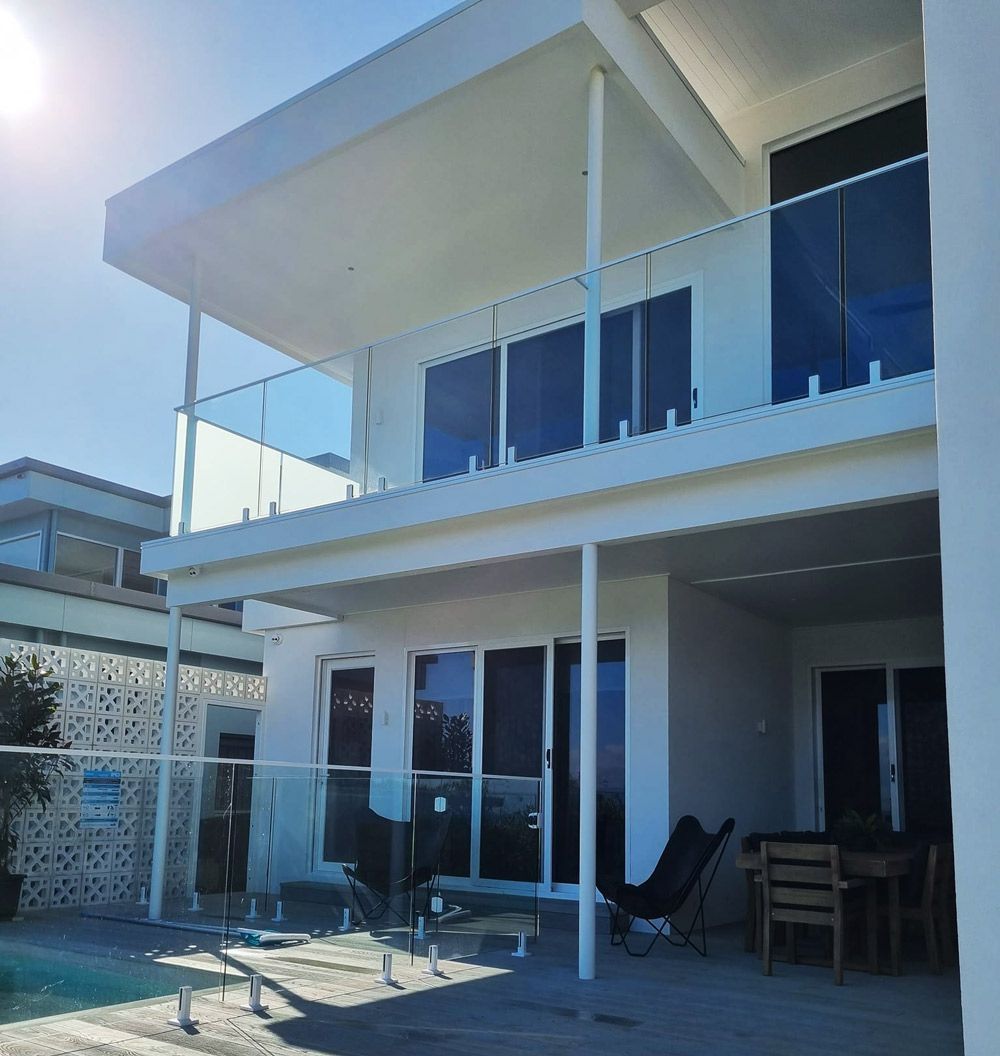
A Large White House With a Swimming Pool in Front of It — D & T Balustrade Systems In Unanderra, NSW
July 22, 2025
Noticing wear and tear on your balustrades? Discover 8 signs it’s time for a replacement. Ensure safety and style—read the full blog now!
Show More