Steel vs Aluminium Balustrades: Which is Better for Coastal Homes?
Living within a few kilometres of the ocean sounds idyllic, but for homeowners it comes with a very real set of building challenges. Salt air, humidity, strong southerly winds and the occasional storm surge put outdoor materials under constant stress — and balustrades are no exception. If you're building or renovating near the water and weighing up getting steel balustrades in Wollongong against an aluminium alternative, the decision goes well beyond aesthetics. Material choice directly affects how long your balustrade lasts, how much upkeep it demands and what it costs you over time. This guide breaks down both options honestly so you can make a well-informed decision for your coastal home.
Why Coastal Conditions Demand More From Your Balustrade
Salt air accelerates corrosion in ways that most standard building materials simply aren't designed to handle. Within a kilometre or two of the shoreline, airborne sodium chloride deposits settle on surfaces constantly, reacting with metals that haven't been treated or specified for marine exposure. A balustrade that might last 20 years inland could start showing surface degradation within two or three years if the wrong material or finish is used near the coast. Homeowners building near the water need to factor this in from the start, not after problems appear.
Key coastal stressors that affect balustrade performance include:
- Salt-laden air causing oxidation on untreated or poorly coated metals
- High humidity accelerating surface breakdown between frames and fixings
- Strong winds putting repetitive lateral load on posts and connections
- UV exposure degrading powder coatings and surface finishes over time
How Steel Balustrades Perform in a Marine Environment
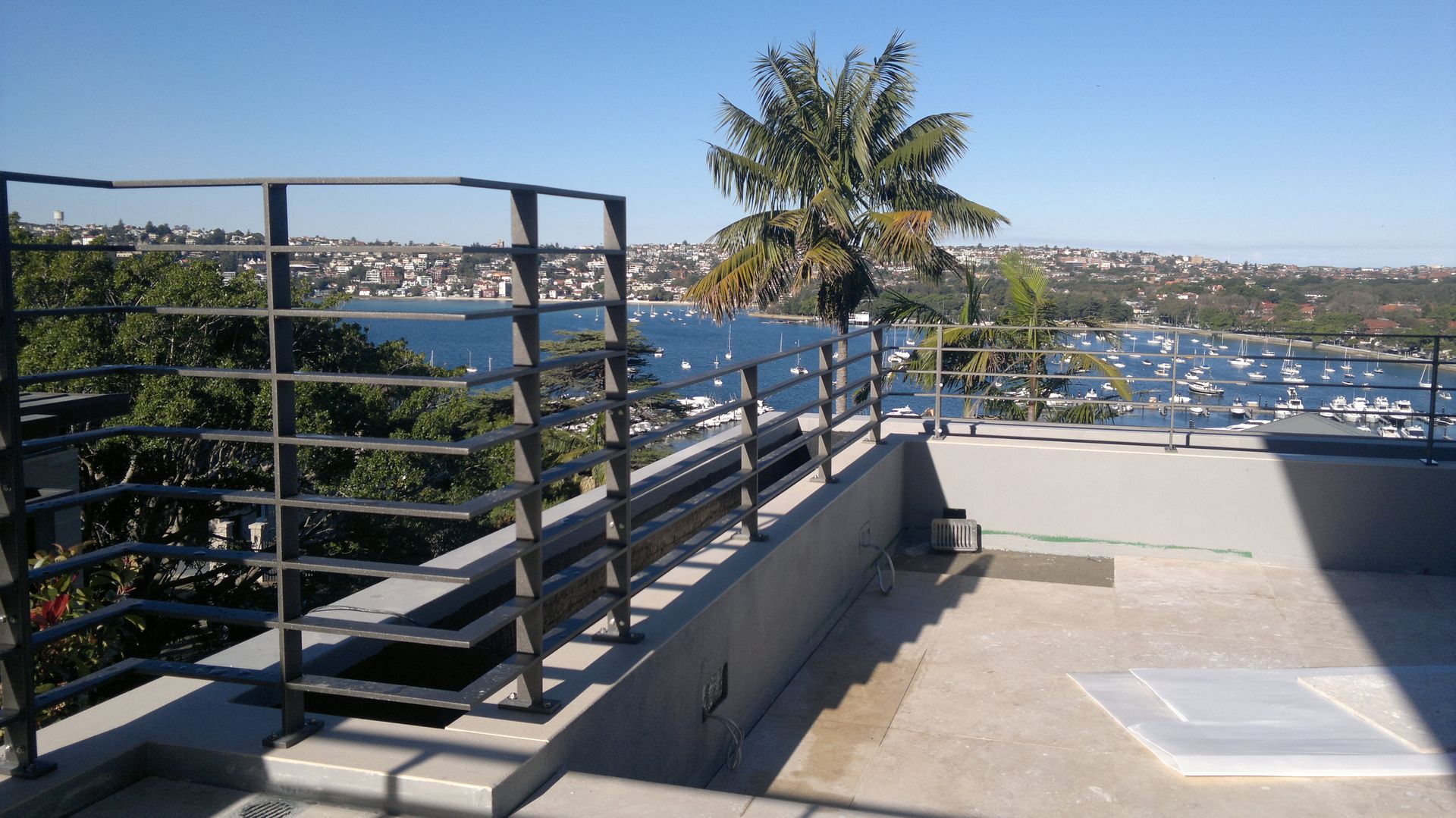
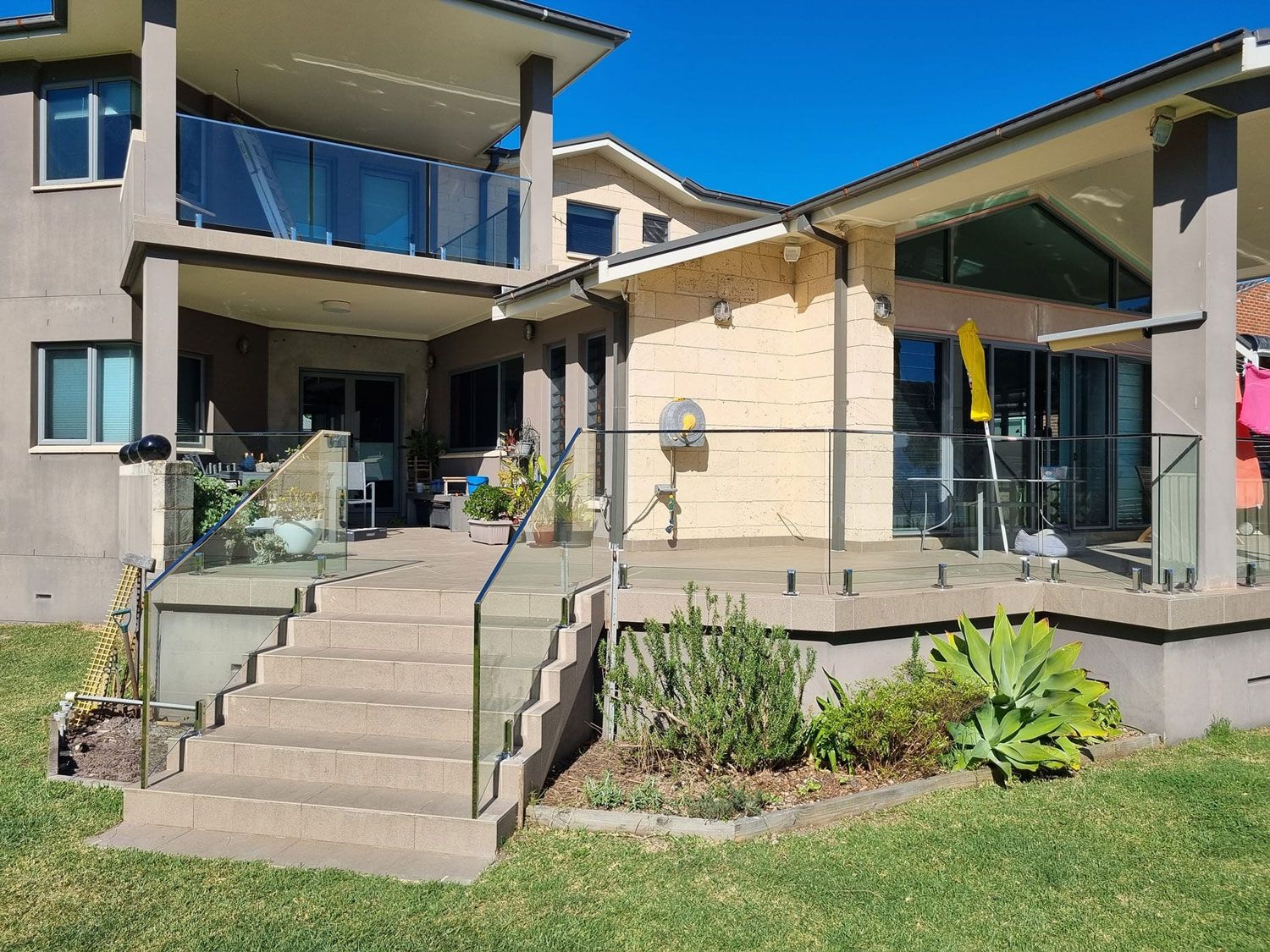
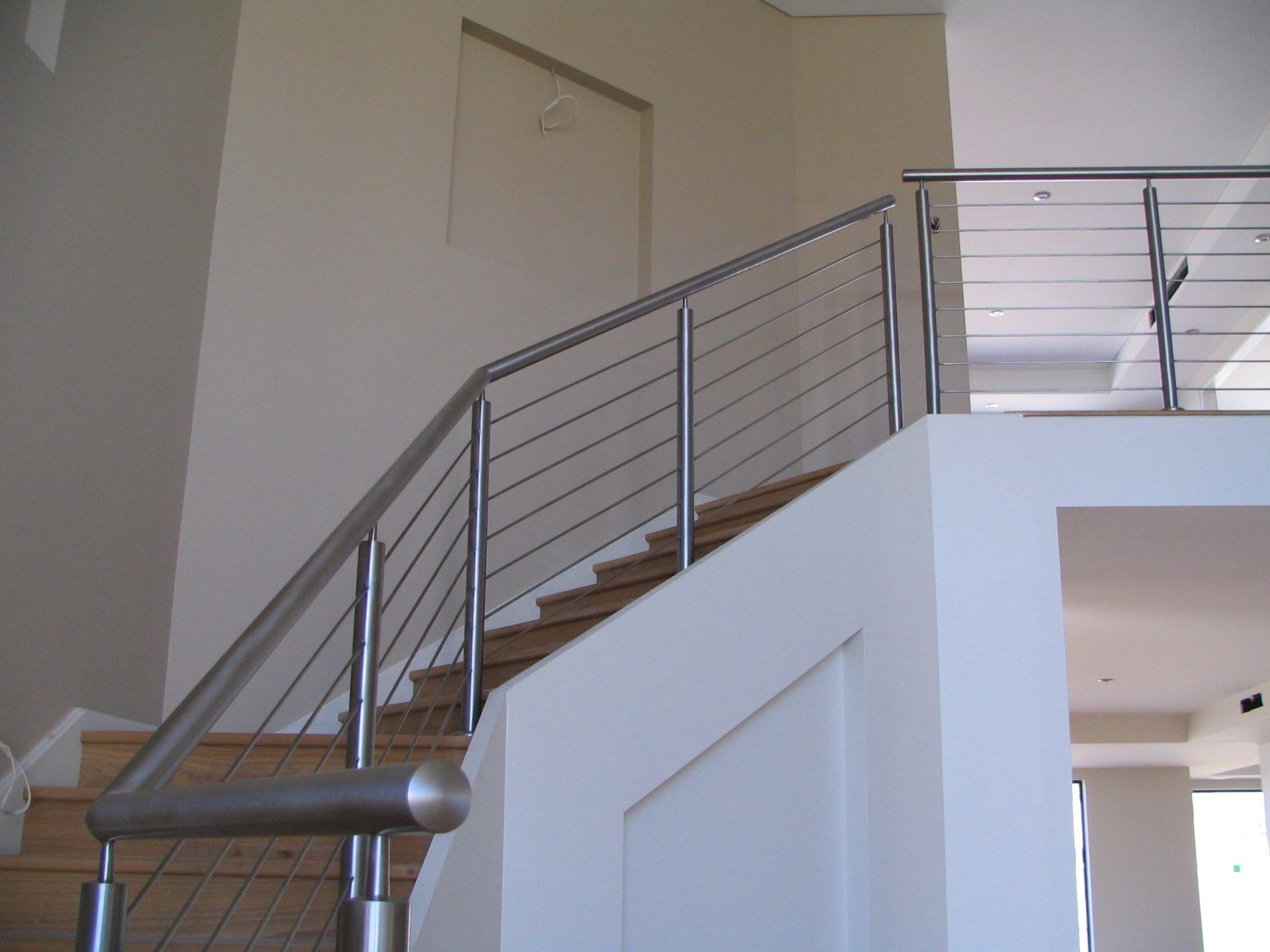
Steel is strong, rigid and capable of handling significant structural loads, which makes it a popular choice for staircases, decks and elevated platforms. In coastal environments, though, the type of steel and its surface treatment matter enormously. Mild steel without appropriate protective coatings will rust quickly near the sea, making it unsuitable for exposed positions without ongoing maintenance. Stainless steel, particularly grade 316, offers much better resistance to salt corrosion and is the recommended specification for marine-adjacent applications.
Key performance considerations for steel in coastal settings:
- Grade 316 stainless steel contains molybdenum, which substantially improves chloride resistance
- Hot-dip galvanising followed by powder coating gives mild steel a longer service life near the coast
- Welds and cut edges are the most vulnerable points and need thorough treatment
- Steel's higher density makes it better suited to heavy-load applications like commercial balustrades or steep stair runs
The Case for Aluminium Balustrades Near the Ocean
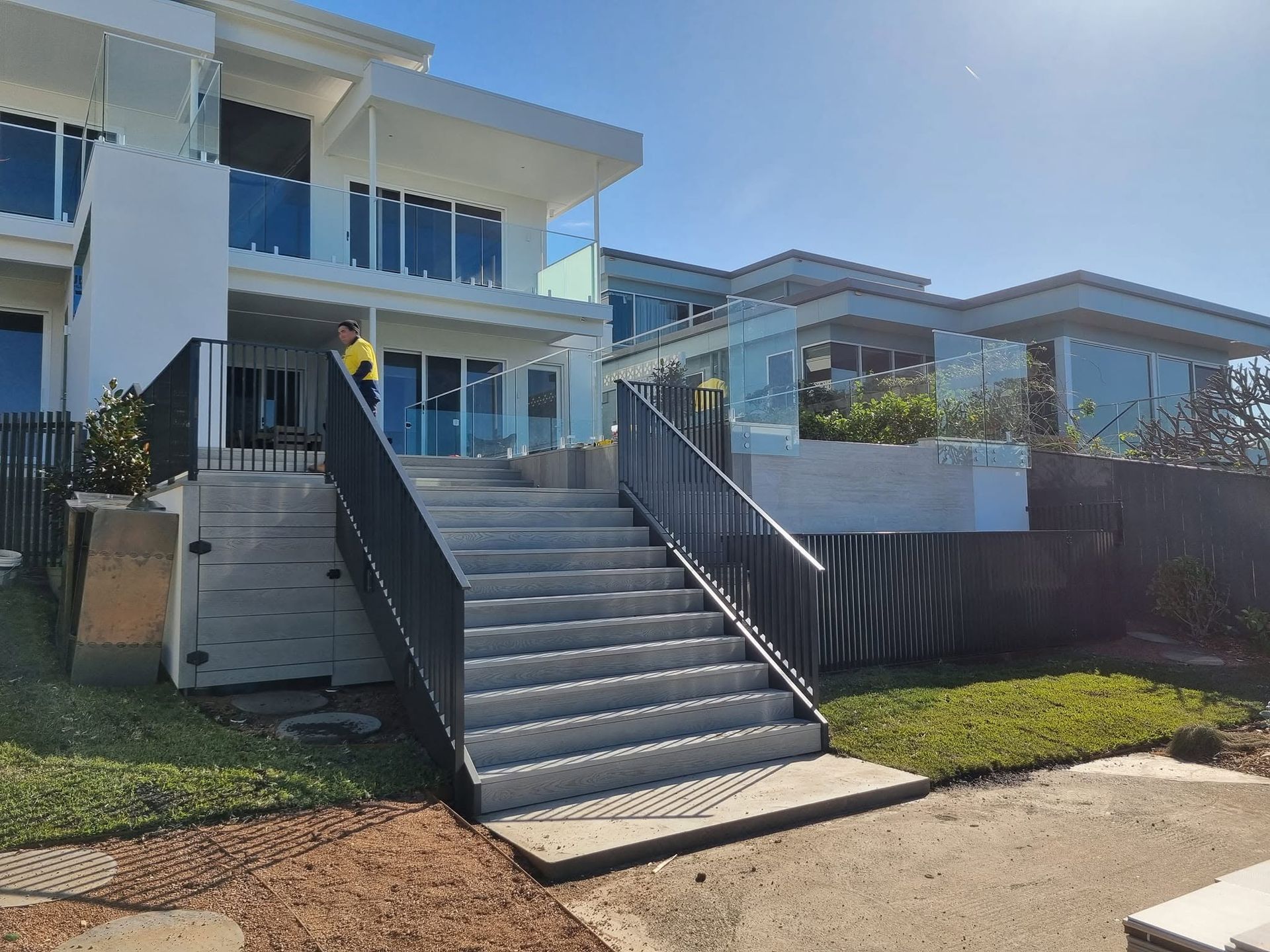
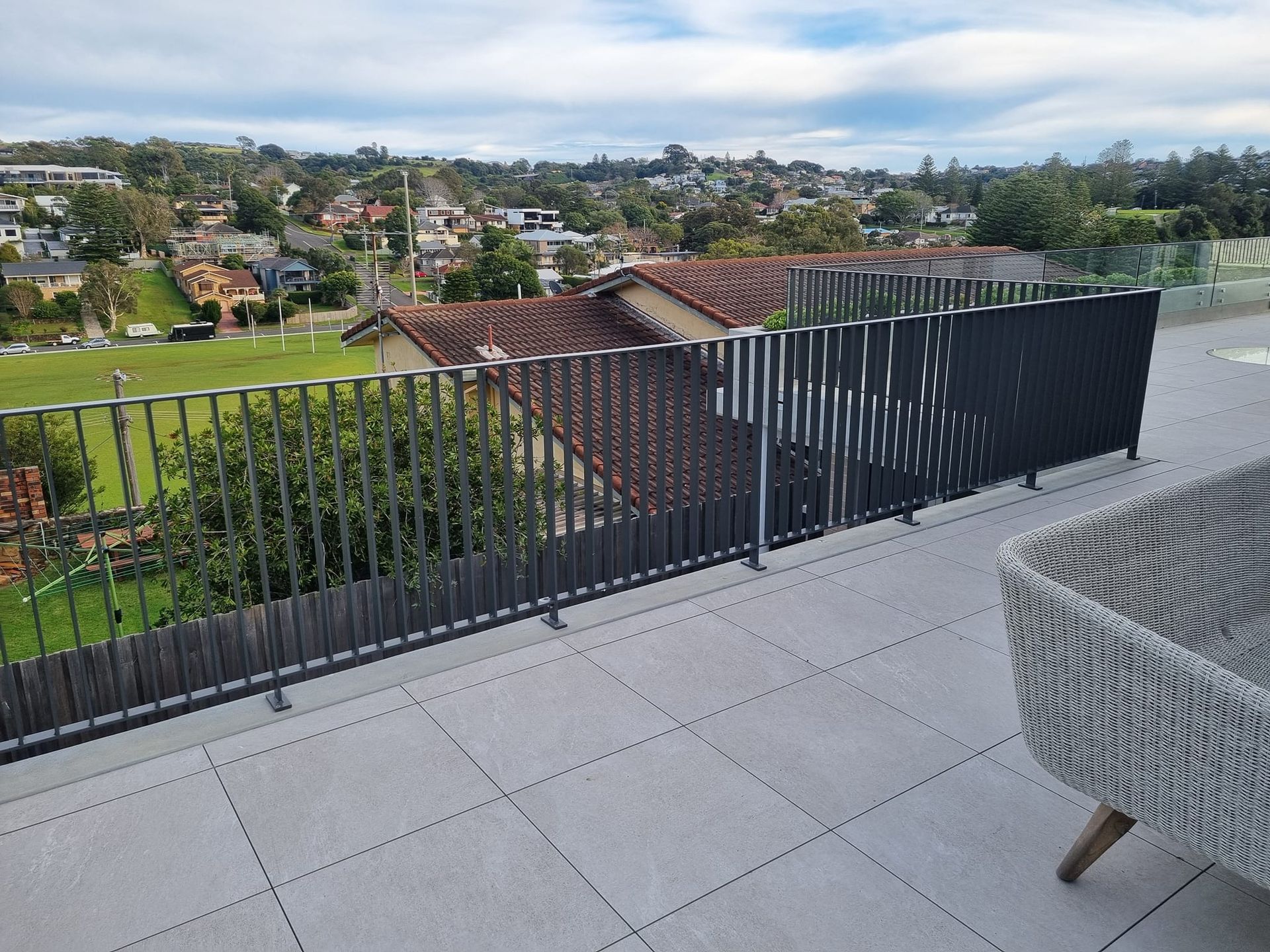
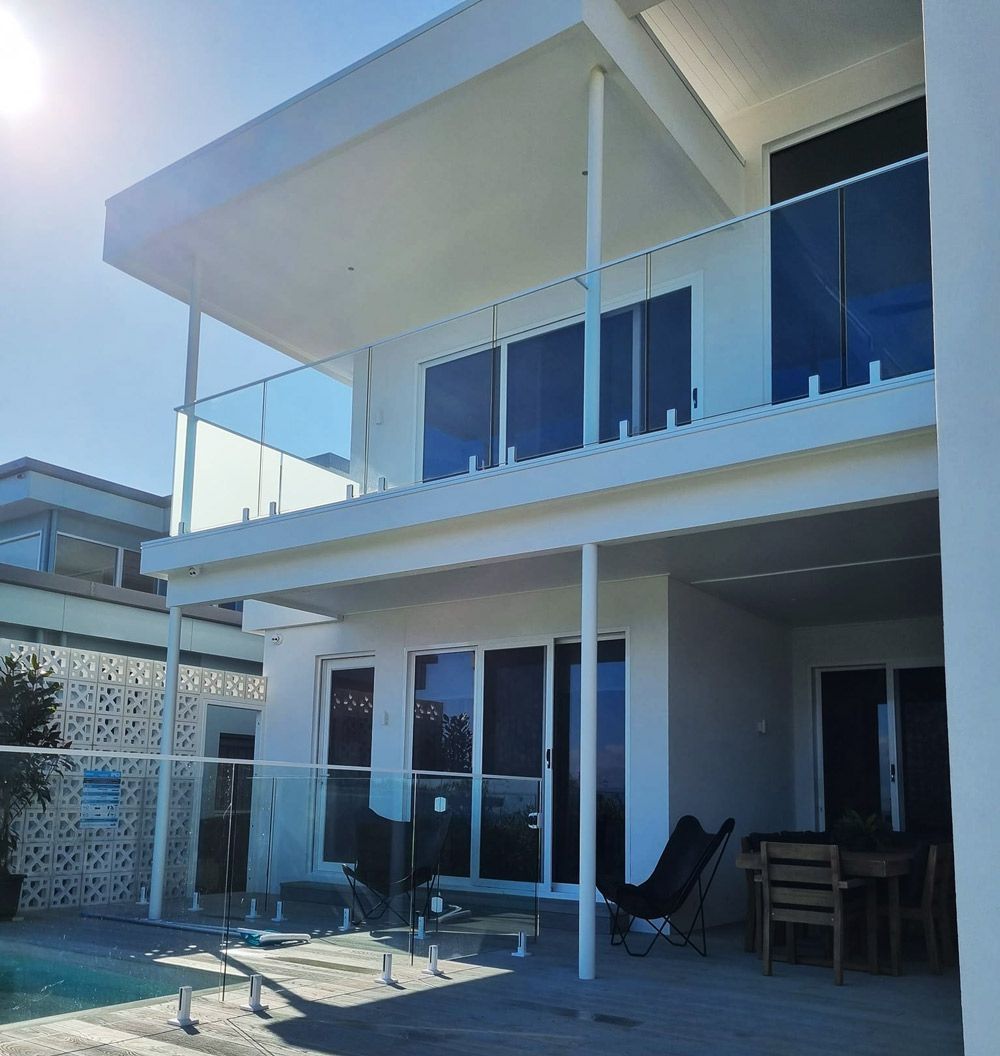
Aluminium has a natural oxide layer that reforms when the surface is scratched, providing a degree of built-in corrosion resistance that steel simply doesn't have without additional treatment. For coastal residential properties, this characteristic gives it a real practical advantage. Powder-coated aluminium performs particularly well in salt-air environments, and the lightweight nature of the material means less structural load on the supporting frame. Wollongong balustrades in aluminium are a popular choice for decks, balconies and pool surrounds for exactly these reasons.
Specific advantages of aluminium in coastal conditions include:
- Self-passivating oxide layer provides inherent corrosion resistance without additional surface treatment
- Powder coating in marine-grade formulations significantly extends the service life
- Lightweight profiles reduce load on timber or lightweight steel subframes
- No risk of rust staining on surrounding concrete, tiles or cladding
Strength and Structural Integrity: Which Material Holds Up?
When comparing the two materials on raw structural performance, steel comes out ahead in load-bearing capacity. For applications where the balustrade needs to resist significant lateral force, such as on an elevated deck exposed to coastal winds, steel's higher tensile strength provides more confidence in the engineering. Aluminium, while structurally sound for most domestic applications, has a lower yield strength and can deflect more under repeated wind loading. That said, a well-designed aluminium balustrade system fabricated to Australian Standards will meet the required structural loads for residential use in most wind classifications.
Structural factors worth considering for coastal homes:
- AS 1657 and the National Construction Code set minimum load requirements regardless of material
- Coastal wind classifications (C and D) may require additional engineering assessment for both materials
- Steel posts allow for smaller, more slender profiles while maintaining rigidity
- Aluminium systems can be engineered to meet load requirements with appropriate wall thickness and fixing details
Maintenance Realities for Each Material Over Time
Maintenance is where the true long-term cost comparison between steel and aluminium becomes clear. Coastal environments are demanding, and the frequency of upkeep required varies significantly between the two materials. Aluminium generally requires less intervention over its service life, provided the initial powder coat is applied correctly and to a marine-grade specification. Steel, particularly mild steel, may need periodic inspection and touch-up of any coating damage to prevent corrosion from spreading beneath the surface.
Practical maintenance expectations for coastal property owners:
- Aluminium: rinse with fresh water every few months to remove salt deposits, inspect powder coat annually
- Mild steel: inspect welds and cut edges twice yearly, touch up any coating damage immediately
- Stainless steel: wipe down regularly with a damp cloth, check fixings for crevice corrosion annually
- Both materials benefit from a fresh water rinse after storms or sustained high wind events
Aesthetic Flexibility and Design Options
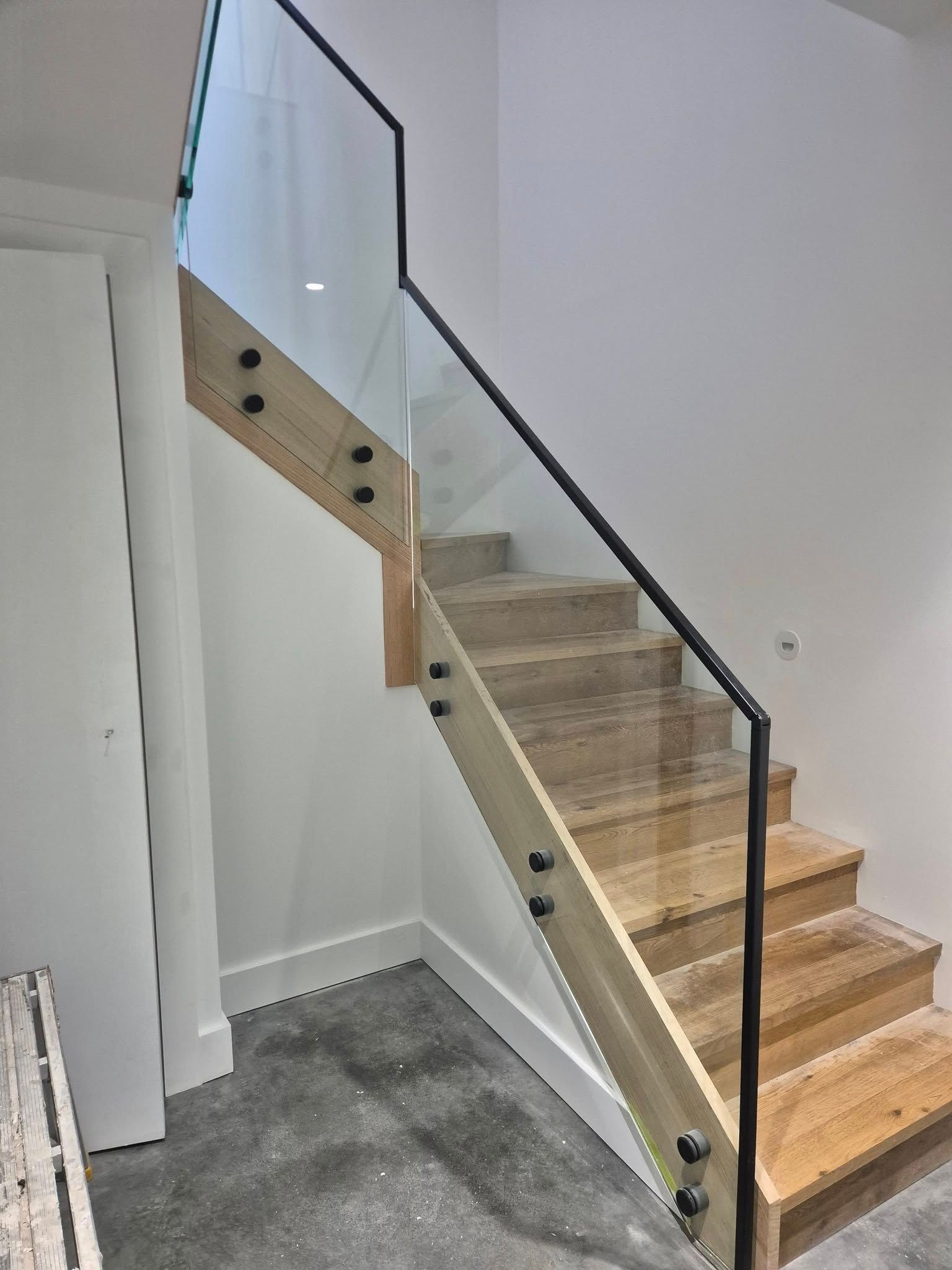
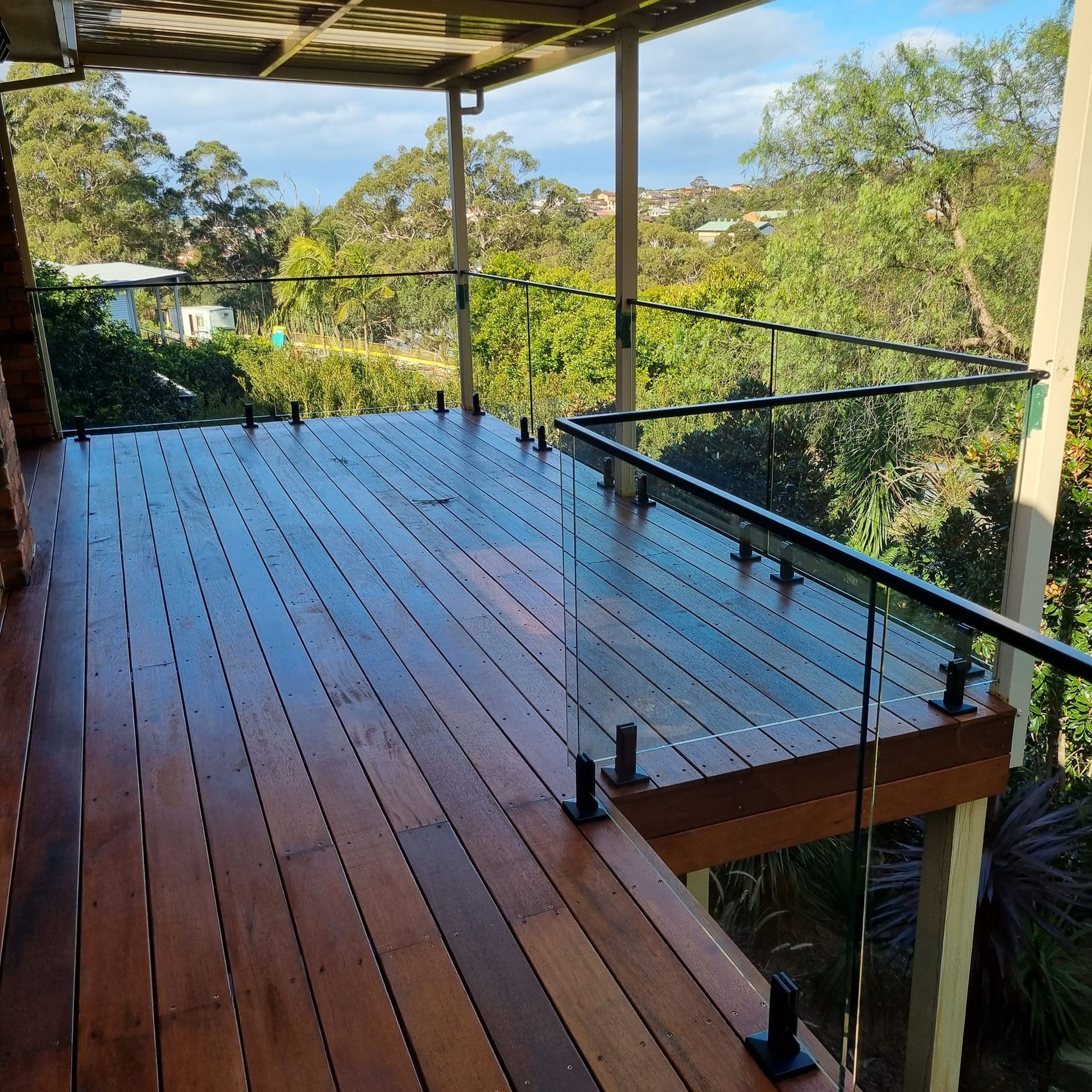
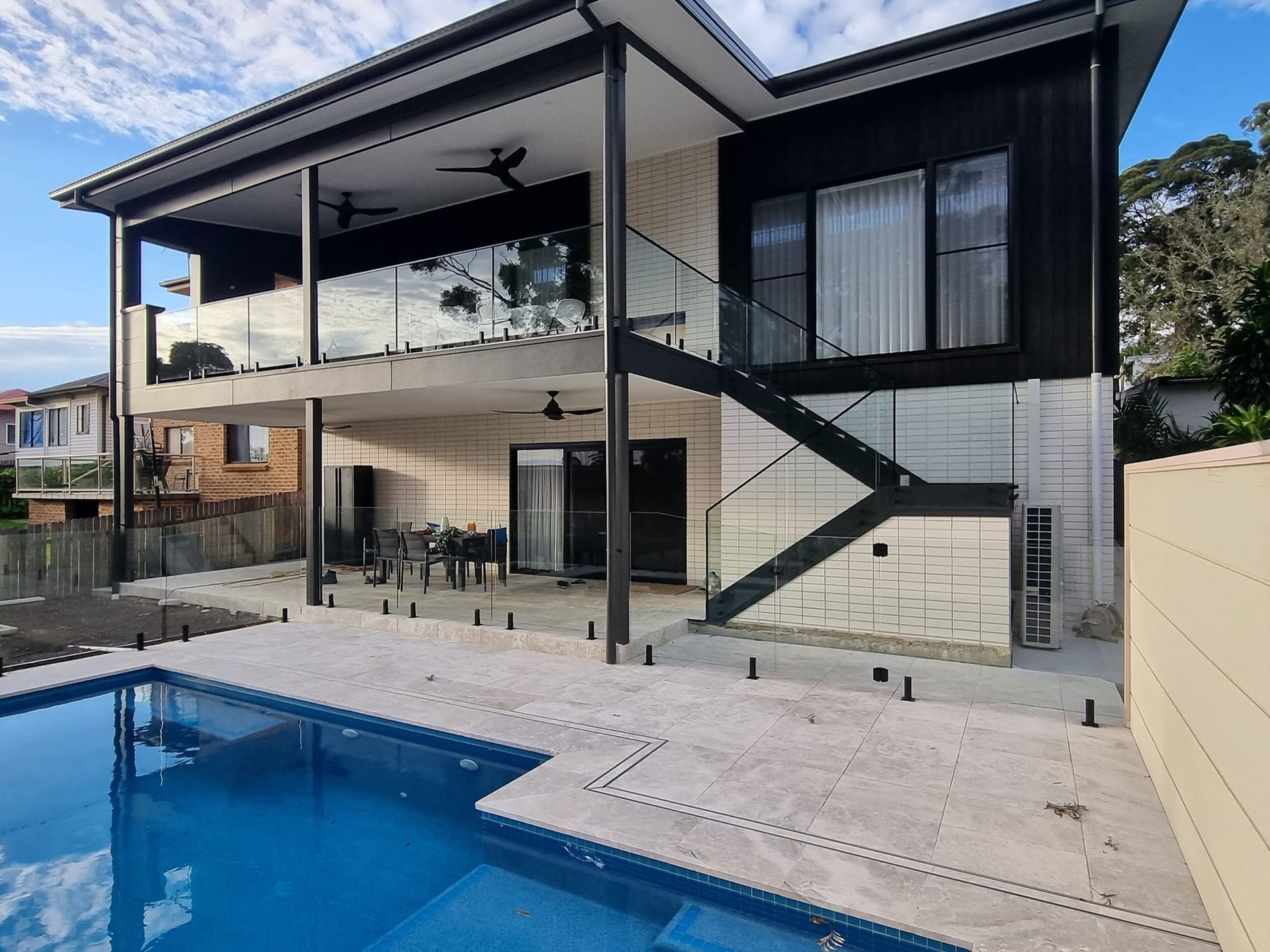
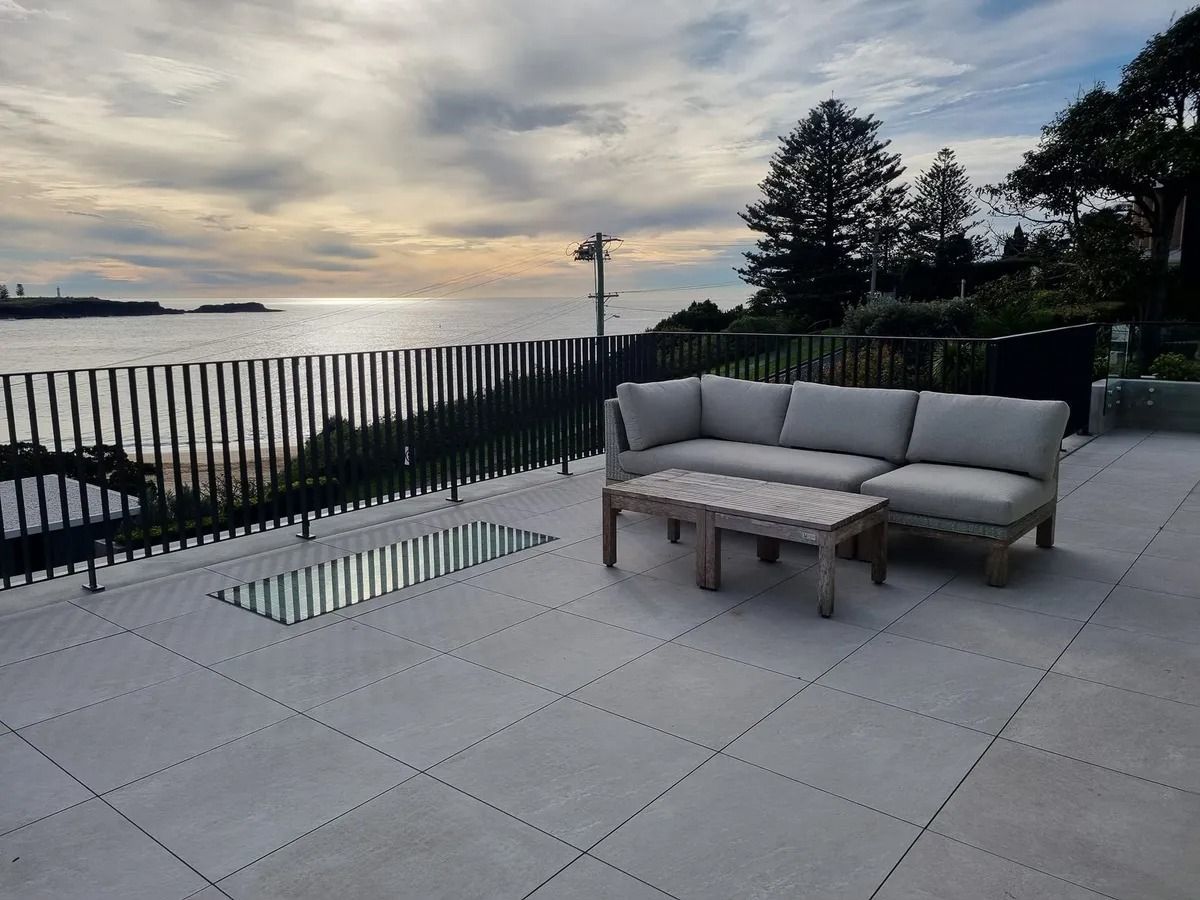
The visual outcome of your balustrade is just as important as its structural and corrosion performance, particularly for a home where the design connects indoor and outdoor living. Both steel and aluminium lend themselves to clean, contemporary profiles, and both are available as picket, horizontal bar or custom design configurations. Steel tends to suit more architectural or industrial-inspired aesthetics, while aluminium's versatility makes it easy to complement a broader range of home styles. Both materials accept powder coating in a wide range of colours and finishes.
Design considerations for coastal homes include:
- Both materials are available in vertical and horizontal picket configurations
- Aluminium profiles can be extruded into more complex shapes, allowing for greater design variety
- Steel welds can be ground smooth for a seamless finish on custom-fabricated sections
- Powder coat colour selection should account for UV fading in high-sun coastal locations
Long-Term Cost Comparison: Upfront vs Over Time
Aluminium typically has a higher upfront material cost than mild steel, but the lower maintenance demands over its service life can offset that difference for coastal homeowners fairly quickly. The real cost calculation needs to account for likely repainting, inspection and repair intervals over a 10 to 20-year period. Grade 316 stainless steel sits at the higher end of the cost spectrum but delivers the best corrosion performance for the most exposed coastal positions. Mild steel with quality protective coatings remains the most cost-effective entry point where ongoing maintenance is manageable.
A realistic cost framework looks like this:
- Mild steel: lower upfront cost, higher maintenance frequency and long-term cost in coastal zones
- Aluminium: moderate upfront cost, low ongoing maintenance requirement, good long-term value
- Grade 316 stainless steel: highest upfront cost, lowest maintenance demand, best suited to high-exposure positions
- Factor in professional inspection costs every few years regardless of material choice
Choosing the Right Specification for Your Specific Home
The right answer for your property depends on its exact position relative to the coast, the wind classifications that apply in your area, the architectural style of the home and your appetite for ongoing maintenance. A property set back 500 metres from the shoreline with some natural shelter will have very different requirements to one built directly on a headland. Whether you're considering steel balustrades in Wollongong or leaning towards aluminium, both are entirely viable for coastal homes — the difference lies in selecting the correct grade, coating system and design to suit the specific exposure conditions.
Important questions to work through with your balustrade fabricator:
- How far is the property from the high-tide mark or open water?
- What wind classification applies under AS 4055 or a site-specific wind study?
- Is the balustrade in a sheltered courtyard or directly facing the prevailing ocean winds?
- What is your preference for upfront investment versus long-term maintenance commitment?
Ready to Talk Through Your Options with a Local Specialist?
We at D & T Balustrade Systems understand that Wollongong balustrades — whether steel or aluminium — need to be specified with the local environment firmly in mind. The combination of salt air from the Tasman Sea, strong southerly swells and the humidity that builds through summer means material selection genuinely matters here, not just as a safety consideration but as a long-term investment in your property. Whether steel or aluminium is the right fit for your project, our team can help you work through the specification properly. Get in touch online to request an obligation-free quote.