Why Balustrades Are A Must-Have Feature In Multi-Storey Homes
Walking through a multi-storey home, it is often the transitions between levels that draw the eye. Staircases, upper landings, balconies and internal voids create openness and movement, but they also introduce risk if not thoughtfully designed. Balustrades in Wollongong sit quietly within these spaces, yet they play a significant role in how a home functions, feels and complies with building standards.
In double-storey and split-level homes, balustrades are more than a finishing touch. They contribute to safety, influence design flow and help define how spaces connect visually. When chosen carefully, they support everyday living while complementing the architectural intent of the home.
This article explores why balustrades are a necessary feature in multi-level homes, how design choices affect both form and function and what options suit different areas such as staircases, balconies and voids.
The Role Of Balustrades In Everyday Home Safety
Multi-storey homes naturally introduce height differences that require physical barriers. Balustrades help manage these changes by providing separation between elevated areas and lower levels.
In practical terms, balustrades support safe movement through spaces that might otherwise pose a fall risk. This includes internal staircases, mezzanines, void edges and upper-floor balconies.
Key safety considerations include:
- Providing a physical barrier where height changes occur
- Helping guide movement along stairs & landings
- Reducing exposure to open edges in elevated areas
While their presence may feel subtle, balustrades contribute to how confidently people move through a home on a daily basis.
Understanding Compliance In Multi-Level Residential Design
Balustrades in multi-storey homes must align with current building codes and Australian Standards. These regulations address aspects such as height, spacing, structural integrity and placement.
Non-compliant balustrades may create issues during inspections, renovations or property transactions. In some cases, they can also introduce risks where gaps, heights or fixings do not meet required thresholds.
Important compliance factors often include:
- Minimum height requirements for internal & external balustrades
- Limits on gaps to reduce fall-through risks
- Structural performance under expected loads
Considering compliance early in the design or renovation process can help avoid later changes or remedial work.
How Balustrades Shape Visual Flow In Multi-Storey Homes
Beyond their functional role, balustrades strongly influence how a home looks and feels. They sit at eye level in prominent positions, making them a defining design element rather than a background feature.
Well-considered balustrades can support visual continuity across levels, allowing light and sightlines to move through the home. Poorly considered designs may interrupt flow or create visual heaviness.
Design impact often comes from:
- Material transparency or opacity
- Line thickness & profile
- Integration with stairs, flooring & surrounding finishes
Balustrades offer an opportunity to reinforce the overall style of a home without dominating it.
Glass Balustrades For Open & Light-Filled Interiors
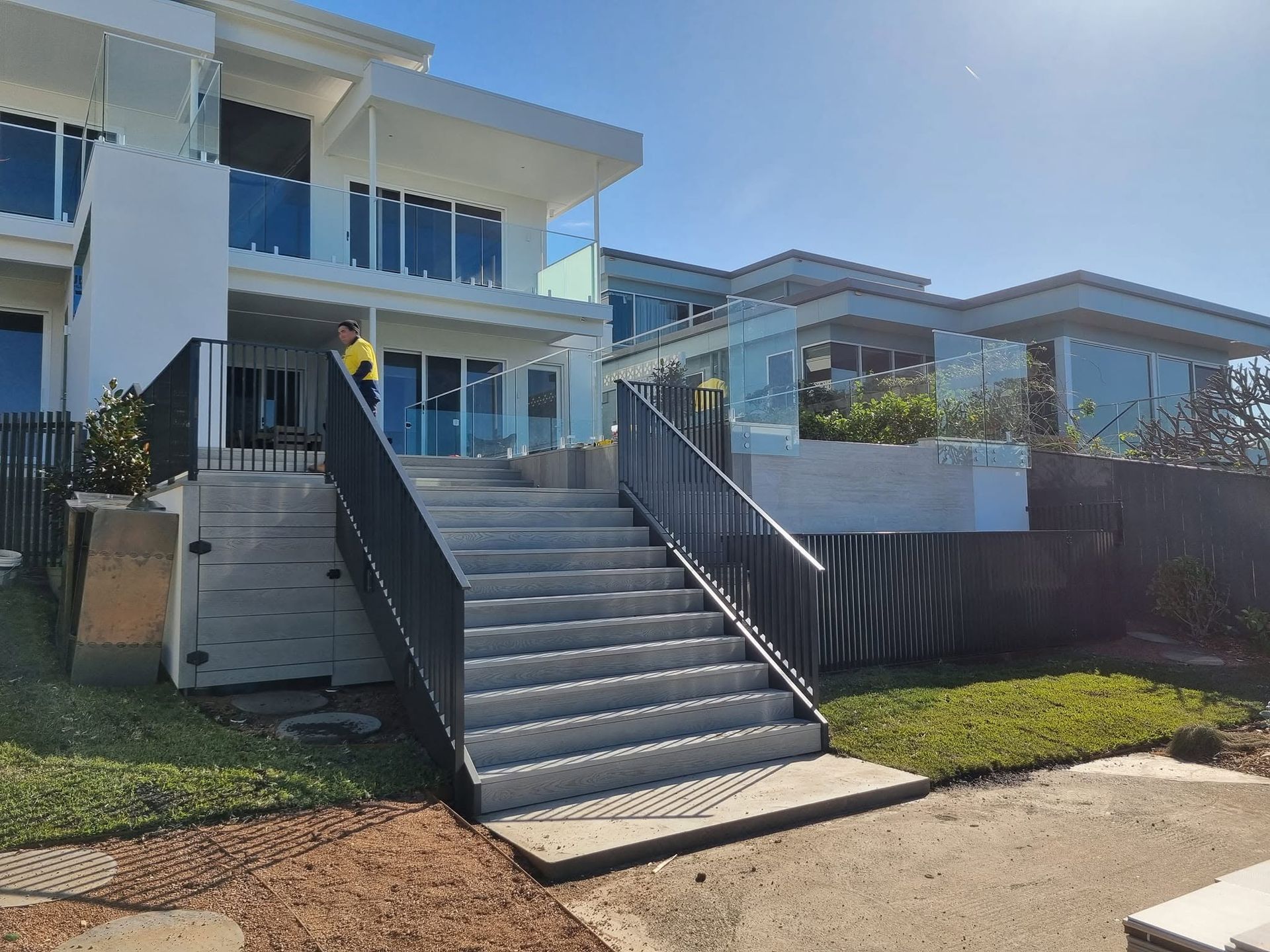
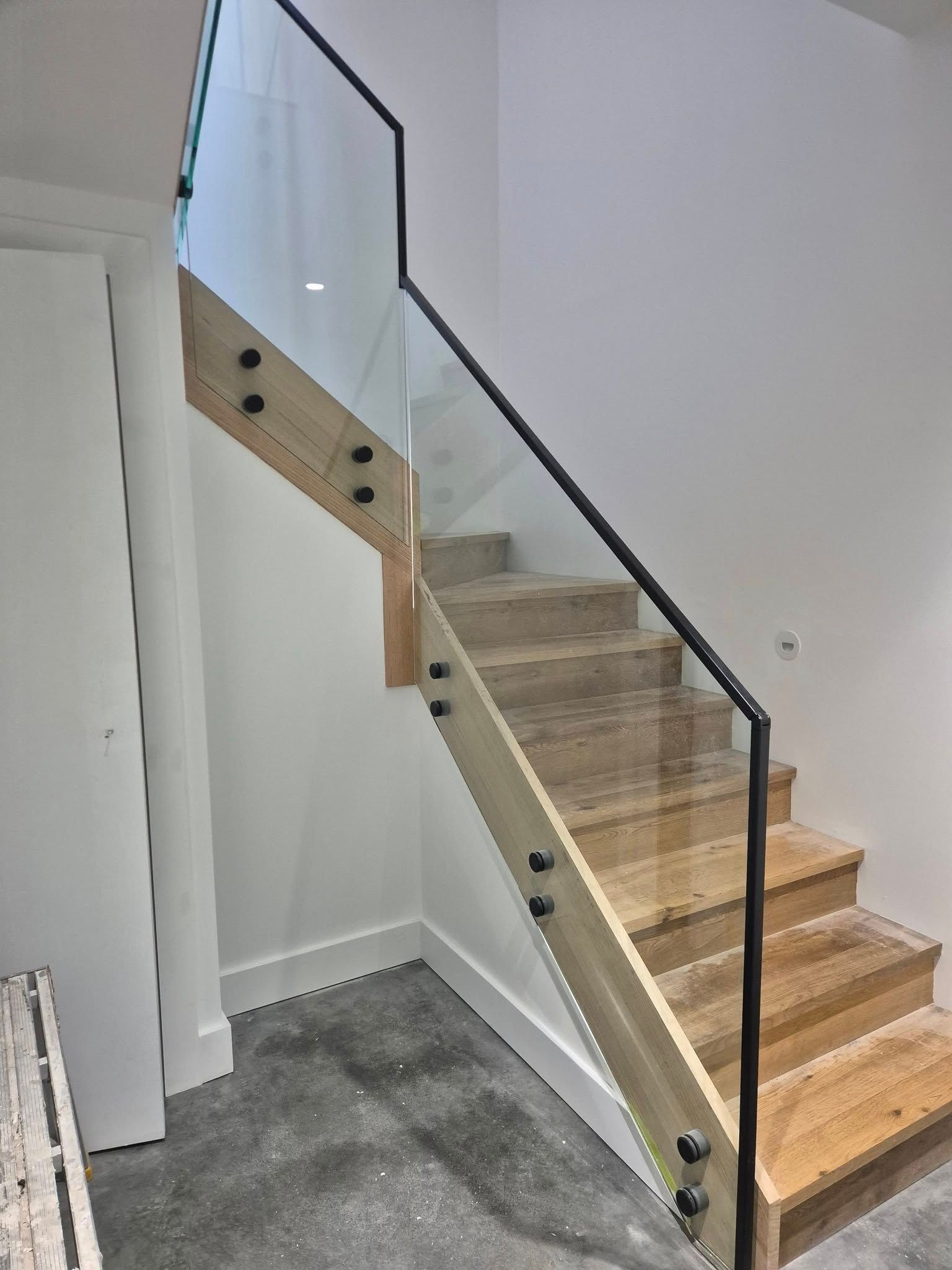
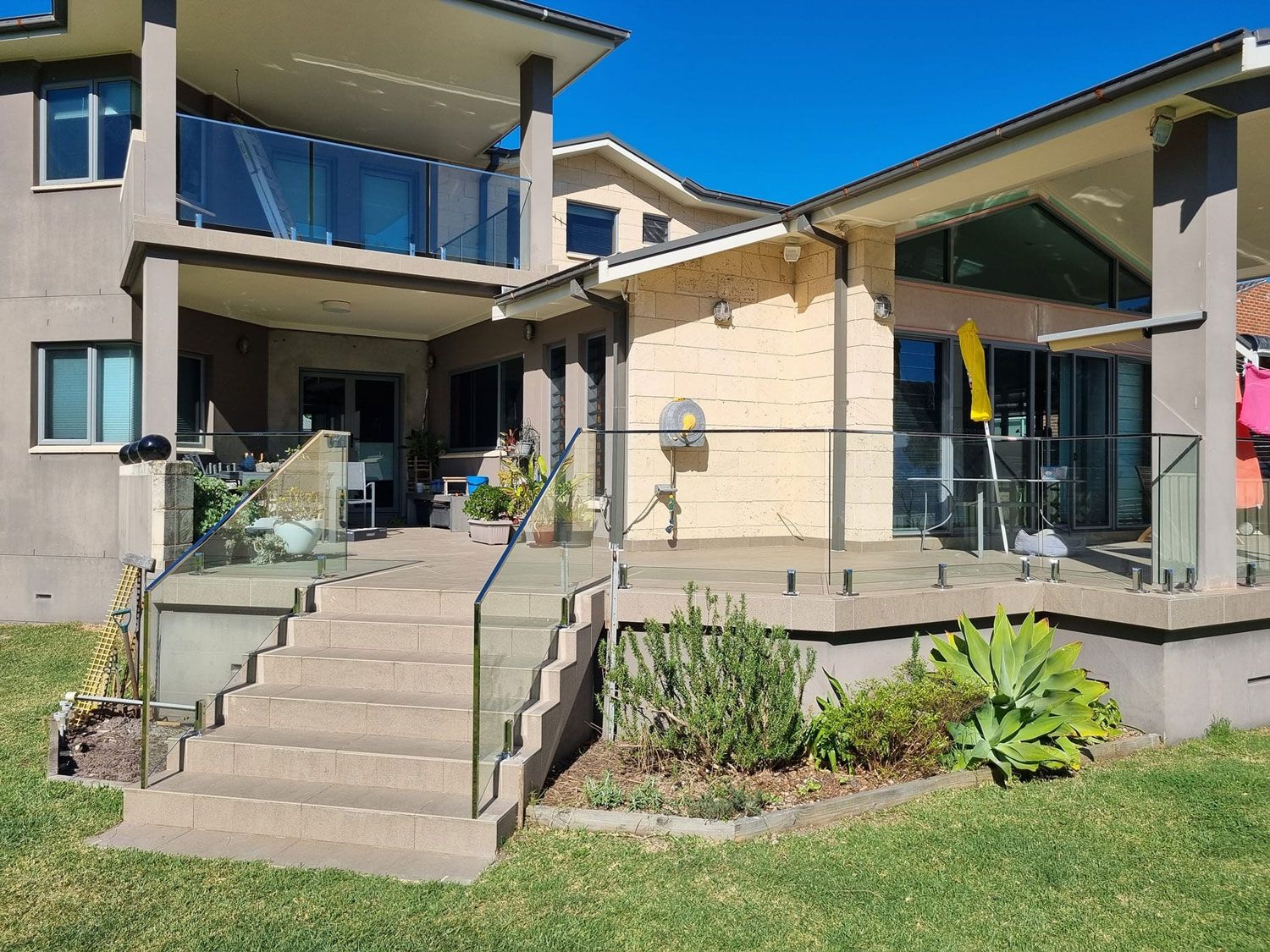
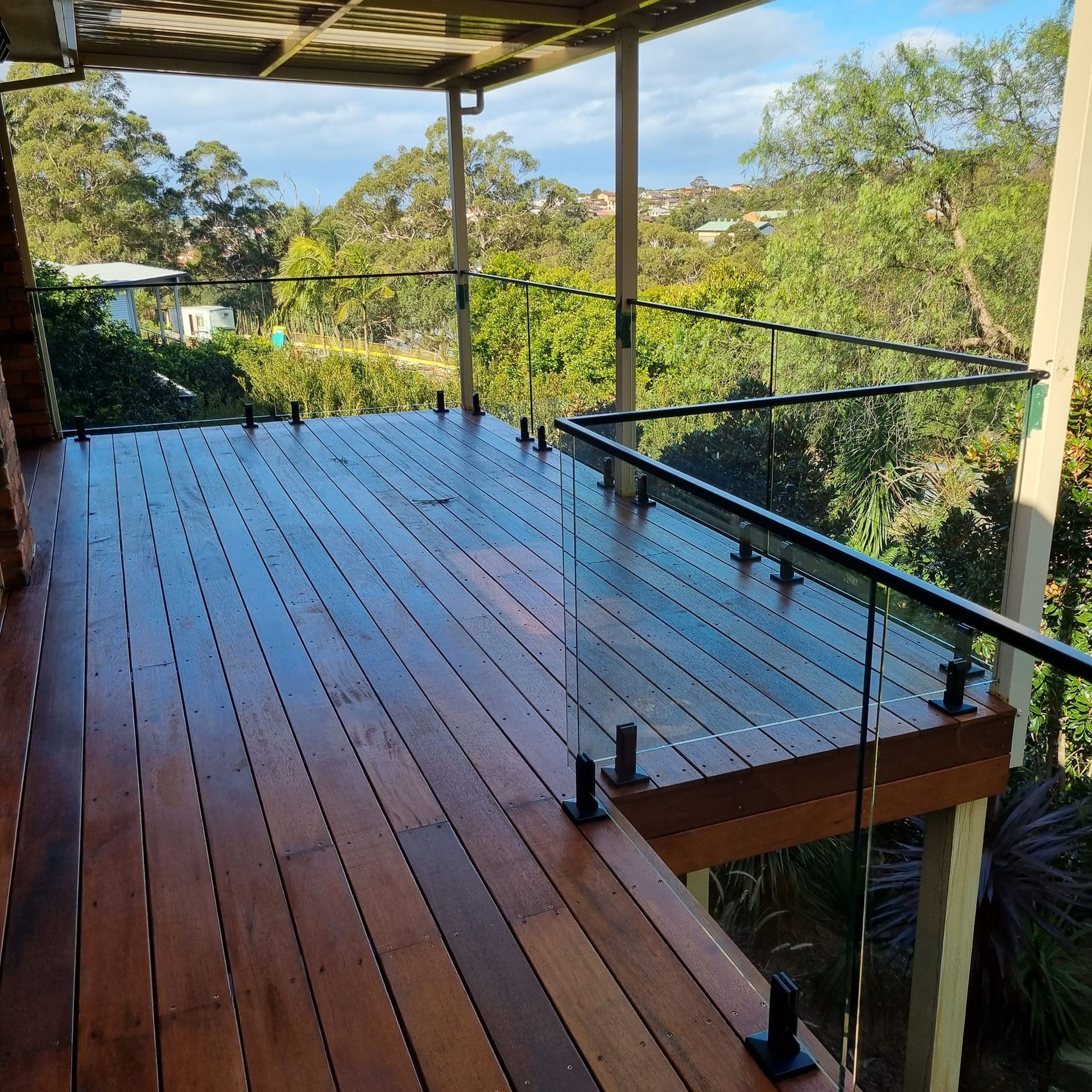
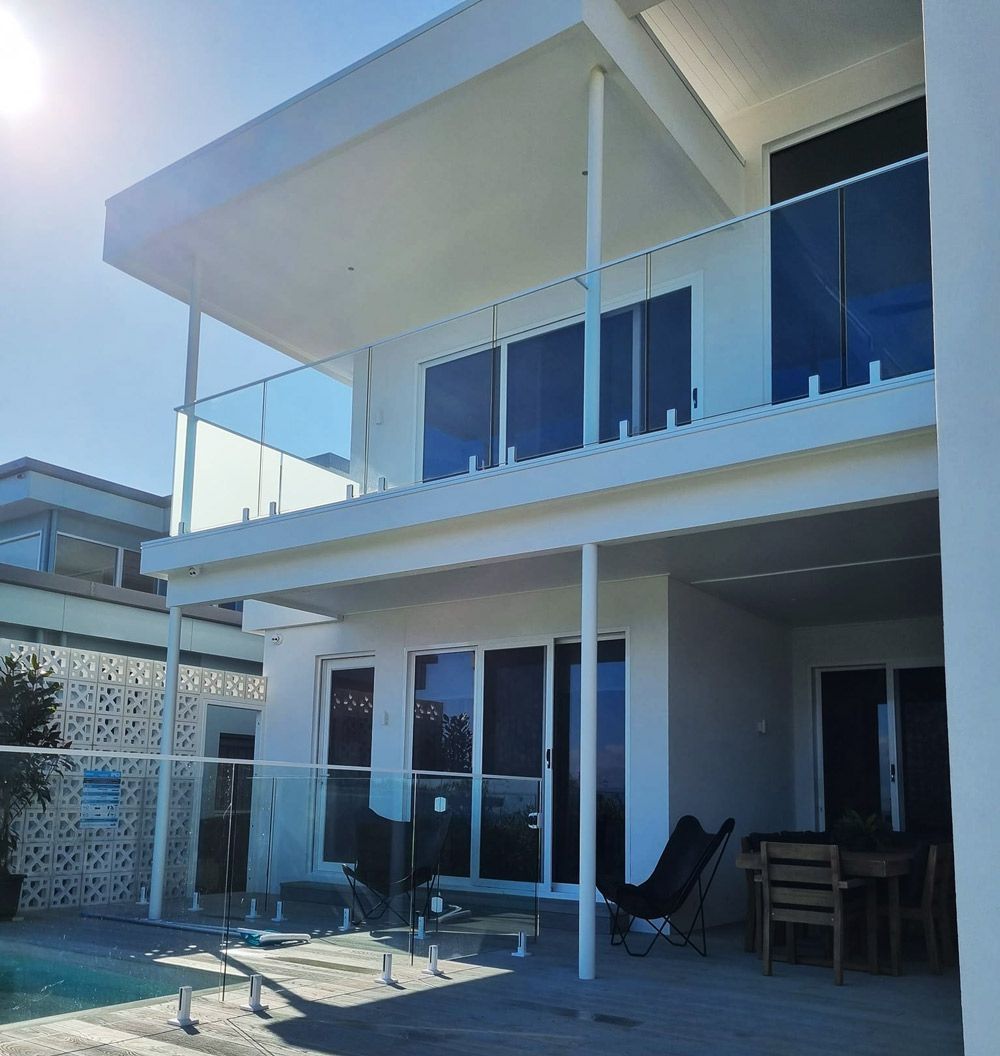
Glass balustrades are commonly chosen in multi-storey homes where openness and natural light are priorities. Their transparency allows spaces to feel connected across levels, particularly around stair voids and upper-floor landings.
When used internally or externally, glass balustrades maintain visibility while still creating a defined barrier. Their appearance tends to suit contemporary and minimalist homes, though they can also complement more traditional interiors when framed thoughtfully.
Common characteristics include:
- Clear sightlines across levels
- Minimal visual interruption
- Compatibility with various handrail styles
Glass balustrades are often used on staircases, balconies and void edges where maintaining openness is important.
Metal Balustrades For Structure & Design Contrast
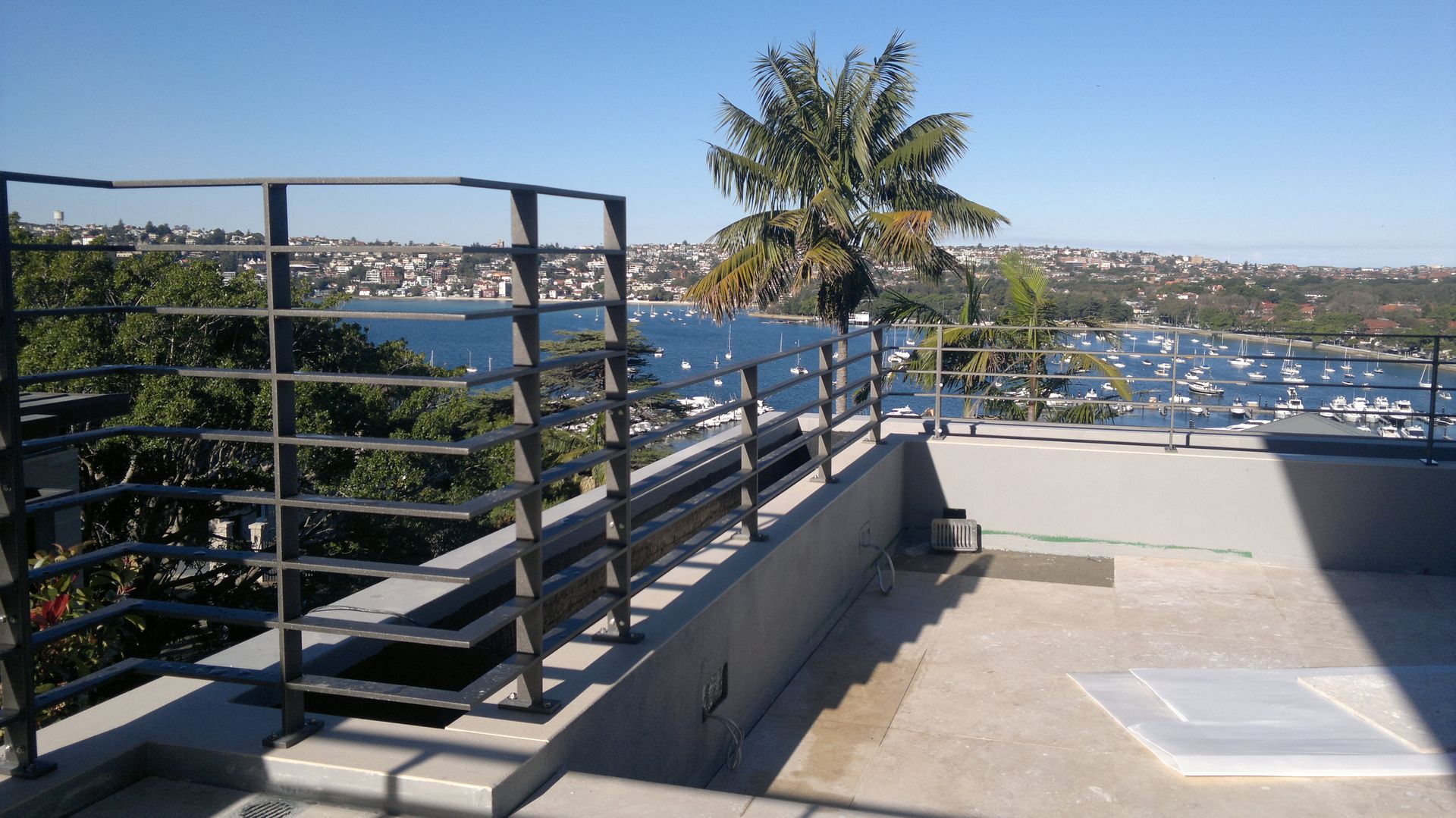
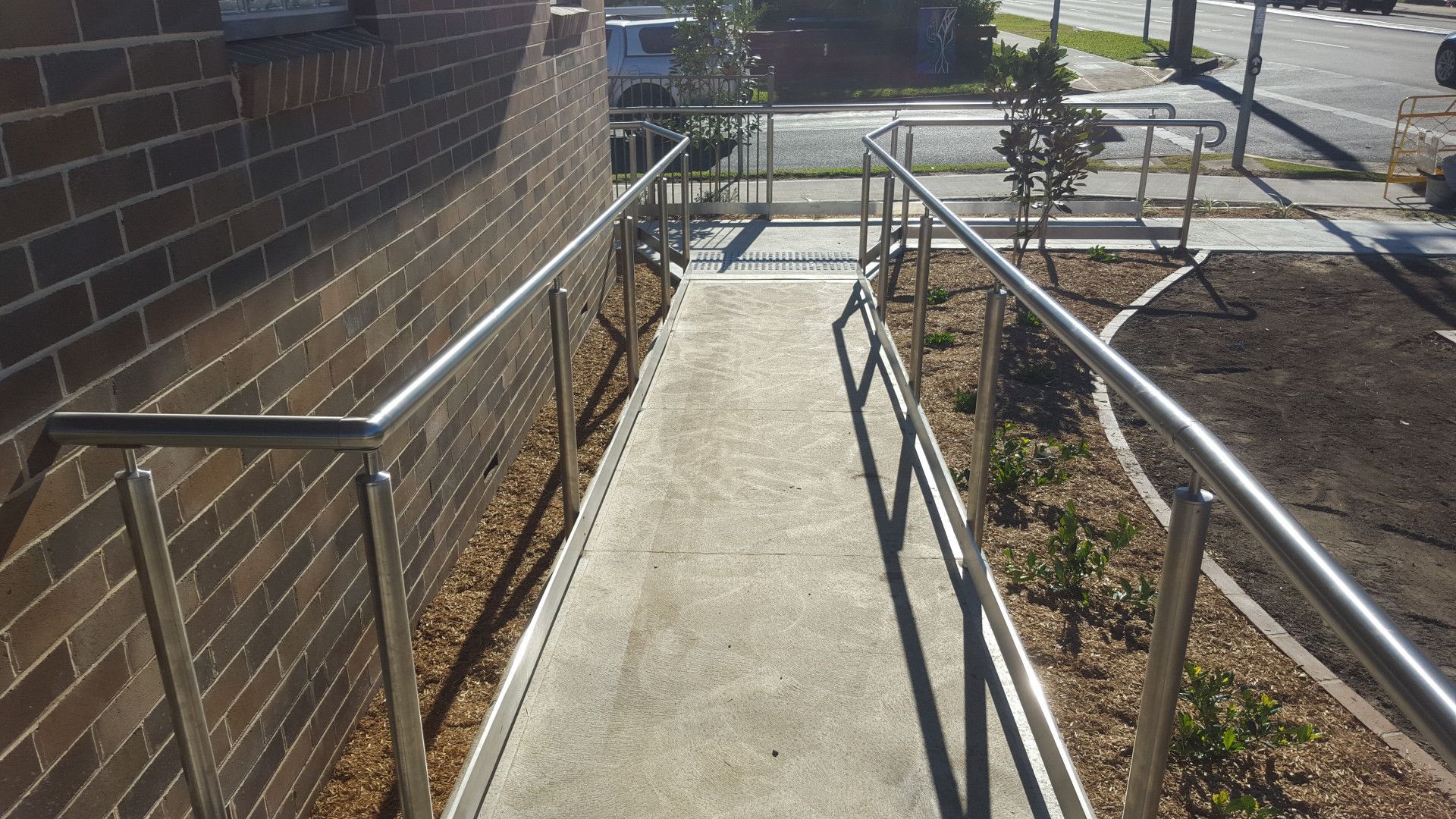
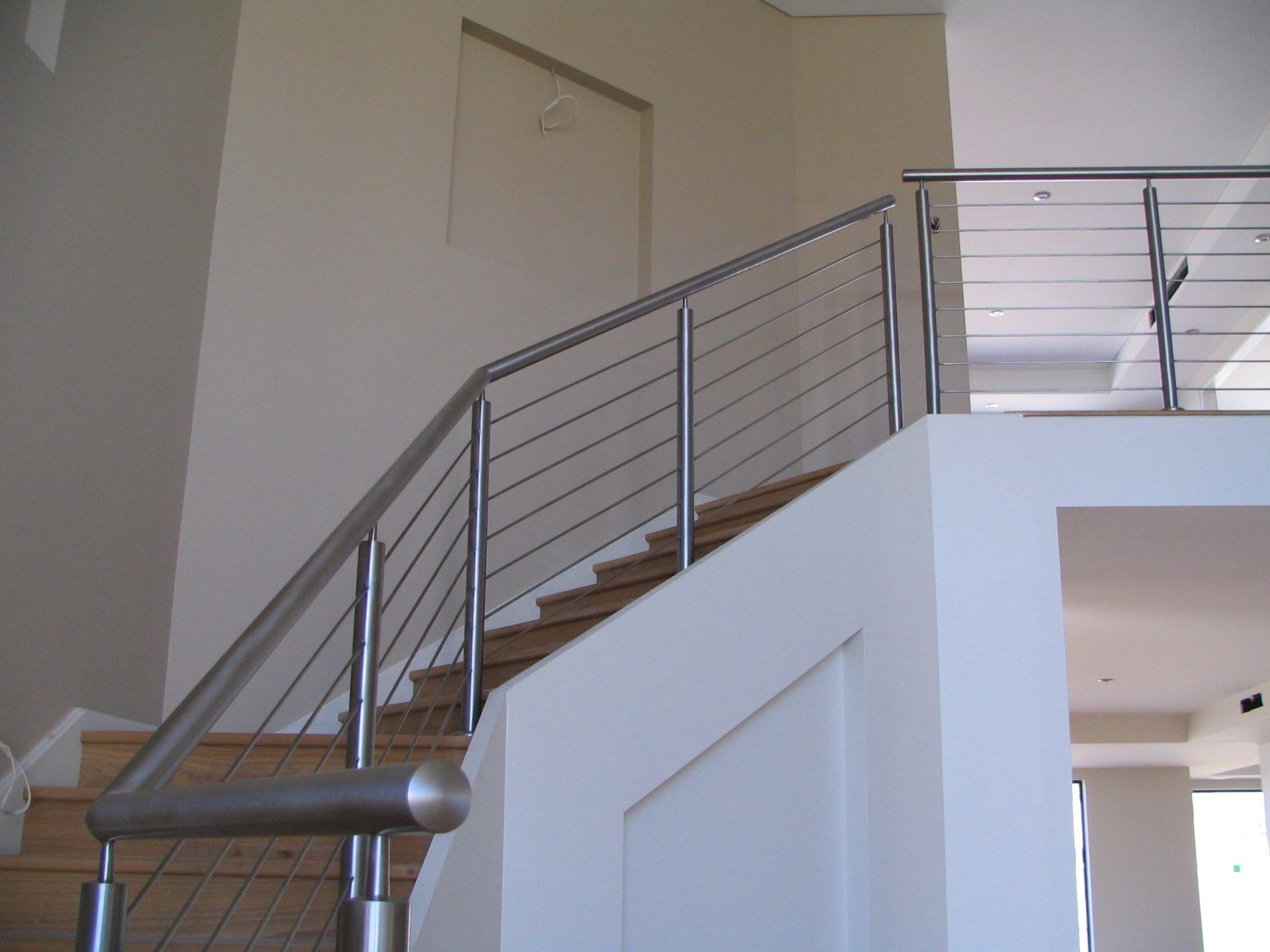
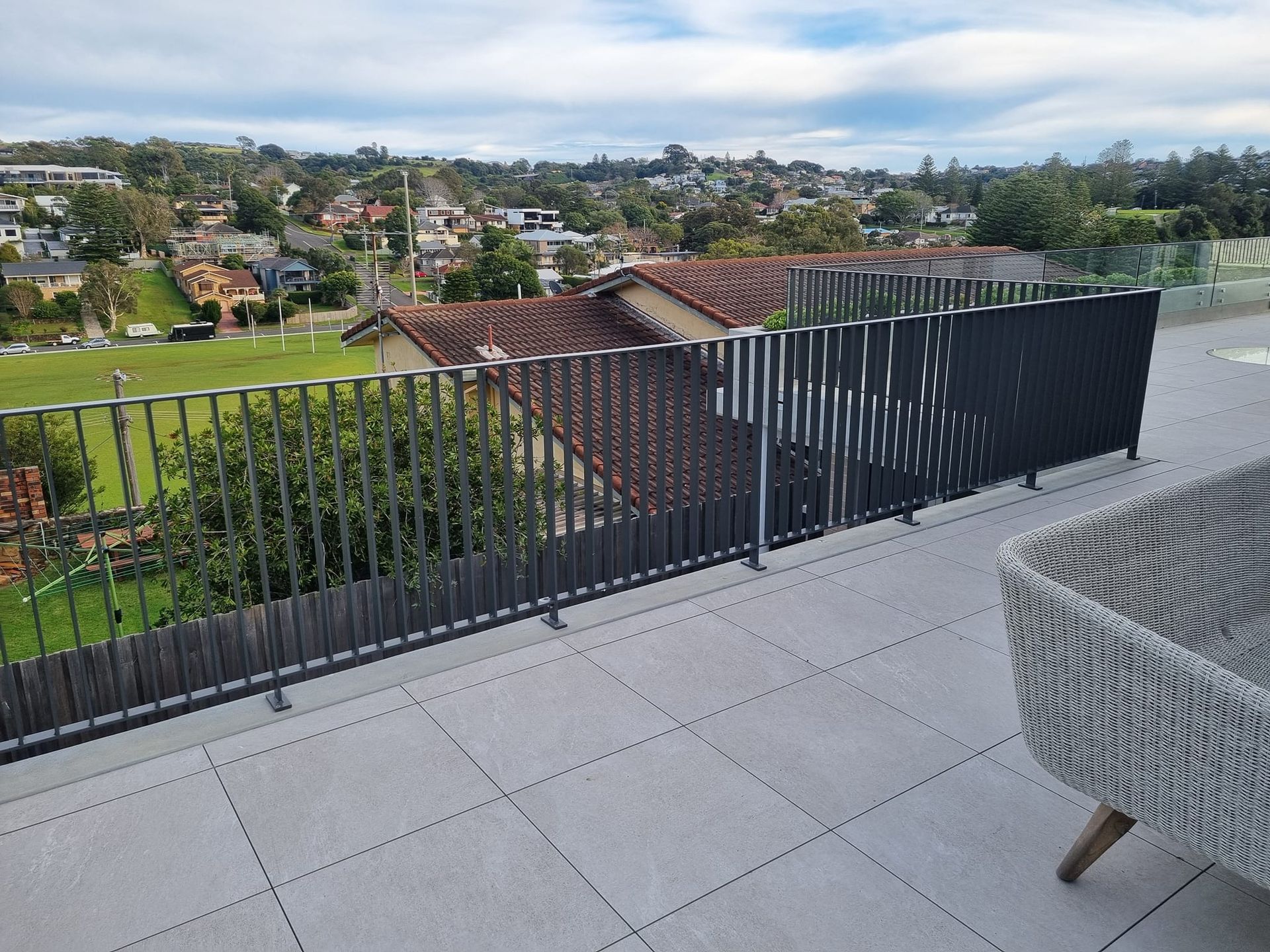
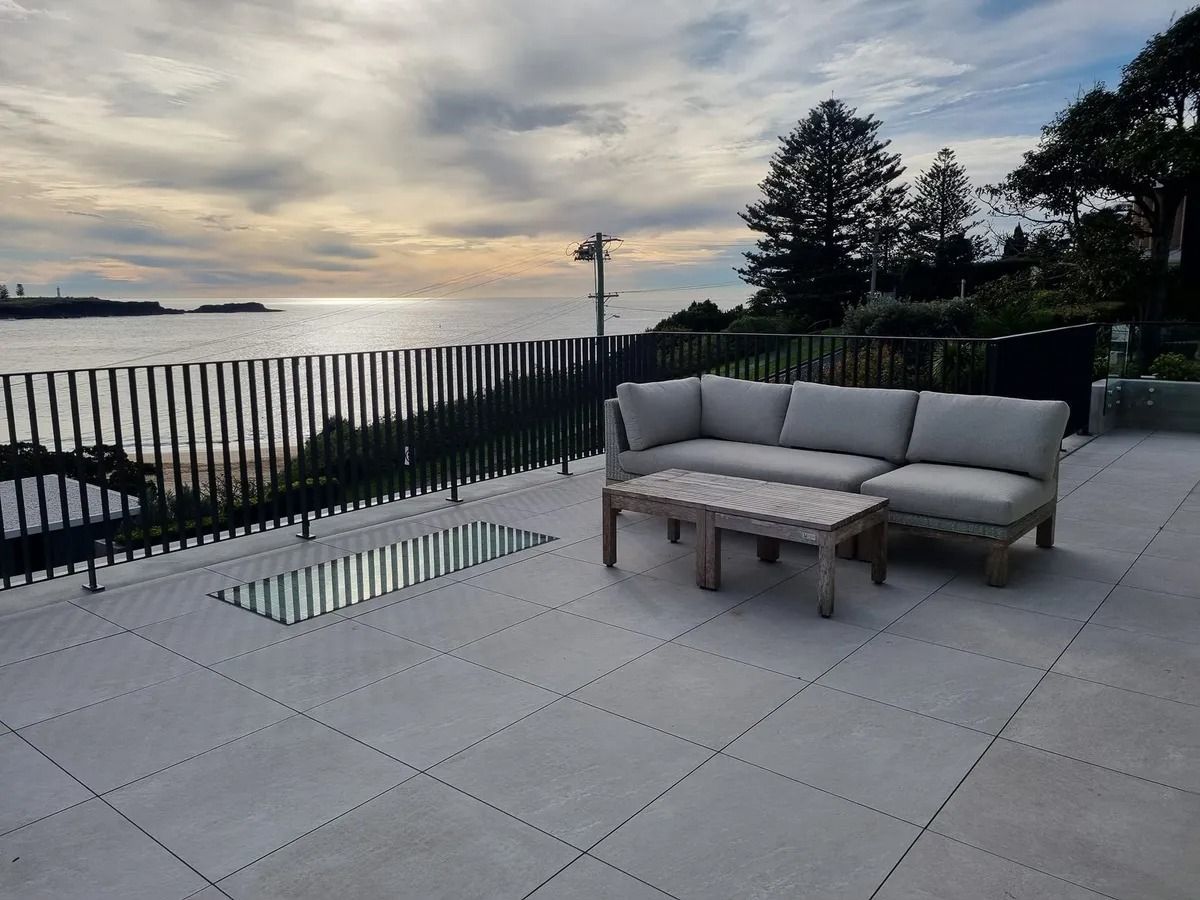
Metal balustrades offer flexibility in form and finish, making them suitable for a wide range of architectural styles. They can appear subtle and linear or more expressive, depending on the design approach.
In multi-storey homes, metal balustrades are frequently used on staircases and balconies where a sense of structure is desired. Their profiles can introduce rhythm and pattern, adding visual interest without relying on heavy materials.
Typical features include:
- Slimline vertical or horizontal elements
- Powder-coated or raw metal finishes
- Compatibility with both internal & external settings
Metal balustrades can provide definition while still allowing airflow and partial visibility.
Timber Balustrades & Warmth In Vertical Spaces
Timber balustrades are often selected to introduce warmth and texture into multi-level homes. They can soften hard surfaces and create a sense of continuity between levels, particularly in stairwells.
In split-level homes, timber balustrades may echo flooring, joinery or ceiling elements, helping tie spaces together visually. Their tactile quality can also influence how spaces feel as people move through them.
Common applications include:
- Internal staircases
- Upper-level landings
- Balustrade systems combined with timber handrails
Timber can suit both traditional and modern homes, depending on profile and finish.
Risks Associated With Poor-Quality Or Unsuitable Installations
Balustrades that are poorly designed or incorrectly installed can introduce issues that extend beyond appearance. In multi-storey homes, these issues may become more noticeable due to the prominence of balustrades and their exposure to daily use.
Potential risks include:
- Gaps or heights that do not align with regulations
- Fixings that loosen over time
- Materials that are not suited to their environment
In some cases, unsuitable installations may require replacement or modification, particularly when homes are sold or renovated. Thoughtful planning and material selection can reduce these risks.
Matching Balustrade Design To Different Areas Of The Home
Multi-storey homes often require balustrades in several distinct areas, each with different functional and visual needs. A single home may include stair balustrades, balcony barriers and void protection, all within close proximity.
Balustrade design may vary depending on:
- Whether the space is internal or external
- The level of visibility desired
- How the balustrade interacts with surrounding finishes
While consistency is important, slight variations in design can help each area respond to its specific context without feeling disjointed.
Get In Touch
At D & T Balustrade Systems, we work with homeowners seeking balustrades in Wollongong for multi-storey homes, whether for new builds or renovations. From internal staircases to upper-level balconies and voids, balustrade choices often need to balance compliance requirements, design intent and the practical realities of local building conditions. If you are planning a project or reviewing an existing installation, you can learn more or get in touch via our website to discuss your next steps.