When To Replace Weather-Damaged Outdoor Balustrades
Outdoor balustrades are often installed with durability in mind, yet constant exposure to the elements can gradually compromise their condition. Over time, environmental factors such as moisture, wind and ultraviolet radiation can weaken structural components, leading to deterioration that may not be immediately obvious. In commercial and industrial environments, where safety systems must remain dependable, overlooking these changes can present significant risks.
Balustrades are more than architectural features. They form part of essential fall-prevention systems that help protect workers, visitors and building occupants. When deterioration begins to affect their stability or integrity, timely intervention becomes critical. Regular inspection and maintenance can extend the life of balustrades, but there comes a point when replacement is the safer and more practical option.
For industrial site managers and workplace safety supervisors, understanding when a balustrade system has reached that point can help maintain compliance and reduce potential liability. From visible corrosion to subtle structural movement, there are several indicators that outdoor balustrades may no longer provide the level of safety they were designed for.
Visible Rust and Surface Corrosion
One of the most common signs of weather-related deterioration in metal balustrades is the appearance of rust or corrosion. Even systems designed for durability can begin to degrade when exposed to prolonged moisture and airborne contaminants. Over time, protective coatings may wear down, allowing oxidation to occur on exposed metal surfaces.
Surface corrosion may initially appear minor, but it can gradually penetrate deeper into the material if not addressed. In environments where structural safety is critical, any visible corrosion should be carefully assessed.
Common indicators include:
- Orange or reddish patches forming on metal rails or posts
- Flaking or bubbling of protective coatings or paint
- Pitting or rough textures appearing on previously smooth surfaces
- Discolouration around joints or welded sections
While minor corrosion can sometimes be treated, widespread rust may indicate that the balustrade’s structural integrity is starting to weaken. In these cases, replacing affected sections or upgrading the entire system may be necessary to maintain safety standards.
Loose Fixings and Movement in the Structure
Outdoor balustrades rely on secure fixings and stable anchor points to remain safe and compliant. Over time, exposure to wind, vibration and changing temperatures can cause bolts, brackets and fittings to loosen. Once movement begins within the structure, the balustrade may no longer provide reliable support.
Structural movement is particularly concerning in commercial or industrial settings where balustrades are used to protect elevated walkways, staircases or work platforms.
Warning signs often include:
- Rails that shift or wobble when pressure is applied
- Visible gaps between posts and mounting surfaces
- Loose or missing bolts and brackets
- Rattling sounds during strong winds
Even slight movement can indicate underlying fatigue or stress in the supporting components. Professional inspection and repair may resolve minor issues, but recurring movement may suggest that replacement is the more appropriate long-term solution.
Structural Weakness in Posts and Welded Joints
The structural strength of a balustrade system depends heavily on the condition of its posts, welds and connection points. Over time, weather exposure and metal fatigue can lead to weakening in these critical areas.
Welded joints are particularly important, as they often bear the load transferred through the balustrade system. When corrosion or stress affects these points, the overall stability of the structure can be compromised.
Potential signs of structural weakening include:
- Cracks forming near weld lines
- Bending or distortion in vertical posts
- Separation between joined metal sections
- Unusual flexing when the rail is leaned on
Because these issues can progress gradually, they may not always be obvious during casual observation. Routine professional inspections help identify structural problems before they become serious safety concerns.
Environmental Exposure and Accelerated Wear
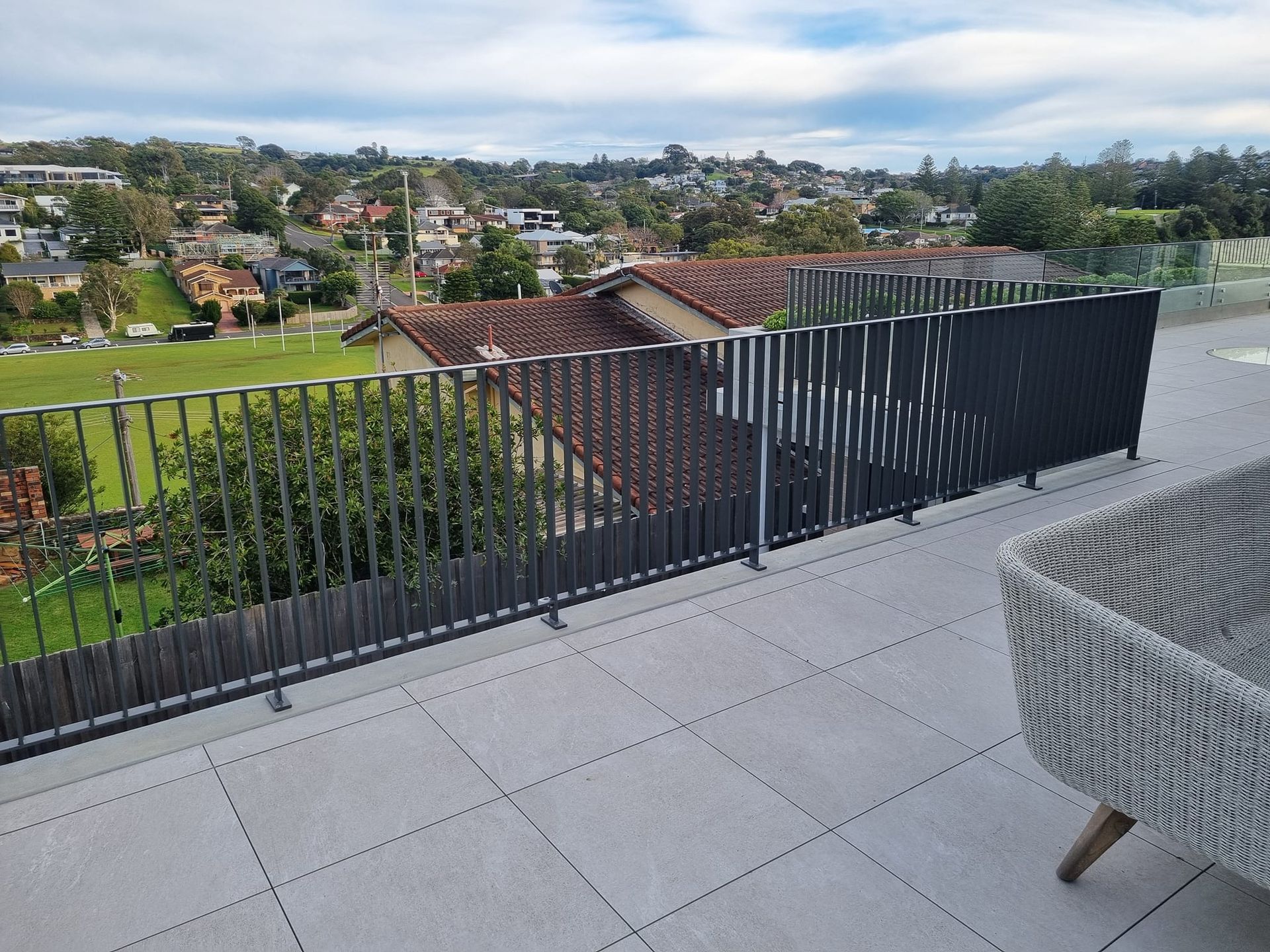
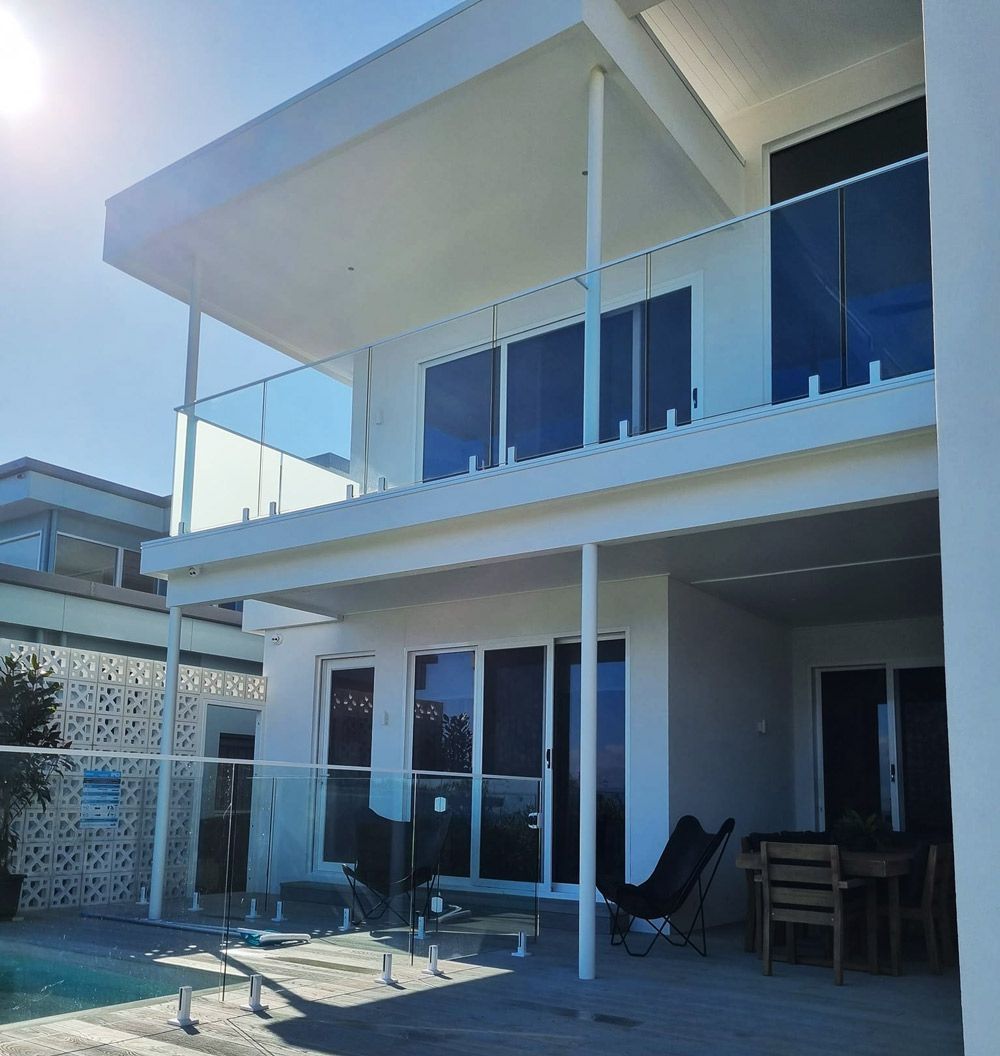
Outdoor balustrades installed in coastal environments often experience faster rates of deterioration compared to those in sheltered inland locations. Salt particles carried in sea air can accumulate on metal surfaces, increasing the likelihood of corrosion. Combined with frequent rainfall and prolonged sun exposure, these conditions can place continuous stress on outdoor structures.
The impact of environmental exposure may appear in several ways:
- Faster breakdown of protective coatings
- Increased corrosion around joints and fittings
- Expansion and contraction of metal components due to temperature changes
- Fading or weakening of materials from ultraviolet exposure
In high-exposure environments, materials and fabrication methods play an important role in determining how long balustrades remain structurally sound. Systems built from corrosion-resistant materials and installed with proper drainage and finishing techniques tend to offer greater long-term reliability.
Safety Risks in Commercial and Industrial Settings
In workplaces where elevated platforms, stairways and access walkways are common, balustrades form part of essential safety infrastructure. When these systems begin to deteriorate, the risks extend beyond structural concerns to include potential injuries and regulatory non-compliance.
A compromised balustrade may fail to provide adequate fall protection, particularly if weakened rails or posts give way under pressure. In environments where workers frequently rely on guardrails for support, these failures can have serious consequences.
Potential safety risks include:
- Increased likelihood of falls from elevated areas
- Reduced ability of the railing to withstand applied force
- Failure to meet current safety standards or building regulations
- Greater exposure to workplace liability issues
Ensuring that balustrades remain structurally reliable helps maintain safe working environments and supports compliance with workplace safety expectations.
Compliance and Inspection Responsibilities
Regular inspections play an important role in identifying weather-related damage before it leads to larger safety concerns. Industrial and commercial property managers often implement inspection schedules to monitor structural components such as guardrails and balustrades.
These inspections typically involve evaluating both visible damage and underlying structural stability. Early identification of corrosion, loose fittings or movement allows for maintenance or replacement before conditions worsen.
Routine inspection processes may include:
- Visual assessment of rails, posts and fixings
- Checking for corrosion or material degradation
- Testing stability and load resistance of the railing system
- Reviewing compliance with relevant safety requirements
Documented inspections can also support workplace safety management systems by demonstrating that preventative maintenance procedures are being followed.
The Advantages of Replacing Ageing Balustrades
When weather damage becomes widespread or structural integrity begins to decline, replacement can provide a more reliable solution than ongoing repairs. Installing a new balustrade system allows property managers to address both safety concerns and long-term durability.
Modern fabrication techniques and corrosion-resistant materials offer improved performance in exposed environments. Upgrading ageing systems may also provide opportunities to improve design efficiency and meet updated safety expectations.
Benefits of replacement can include:
- Stronger and more durable materials
- Improved corrosion resistance in outdoor conditions
- Updated fabrication methods for increased stability
- Reduced maintenance requirements over time
Businesses responsible for maintaining industrial or commercial premises often choose to replace ageing balustrades as part of broader safety and infrastructure upgrades.
Choosing Durable Materials for Long-Term Performance
Material selection plays a key role in how well outdoor balustrades perform over time. Systems manufactured from corrosion-resistant metals are often preferred in exposed environments due to their ability to withstand moisture and airborne contaminants.
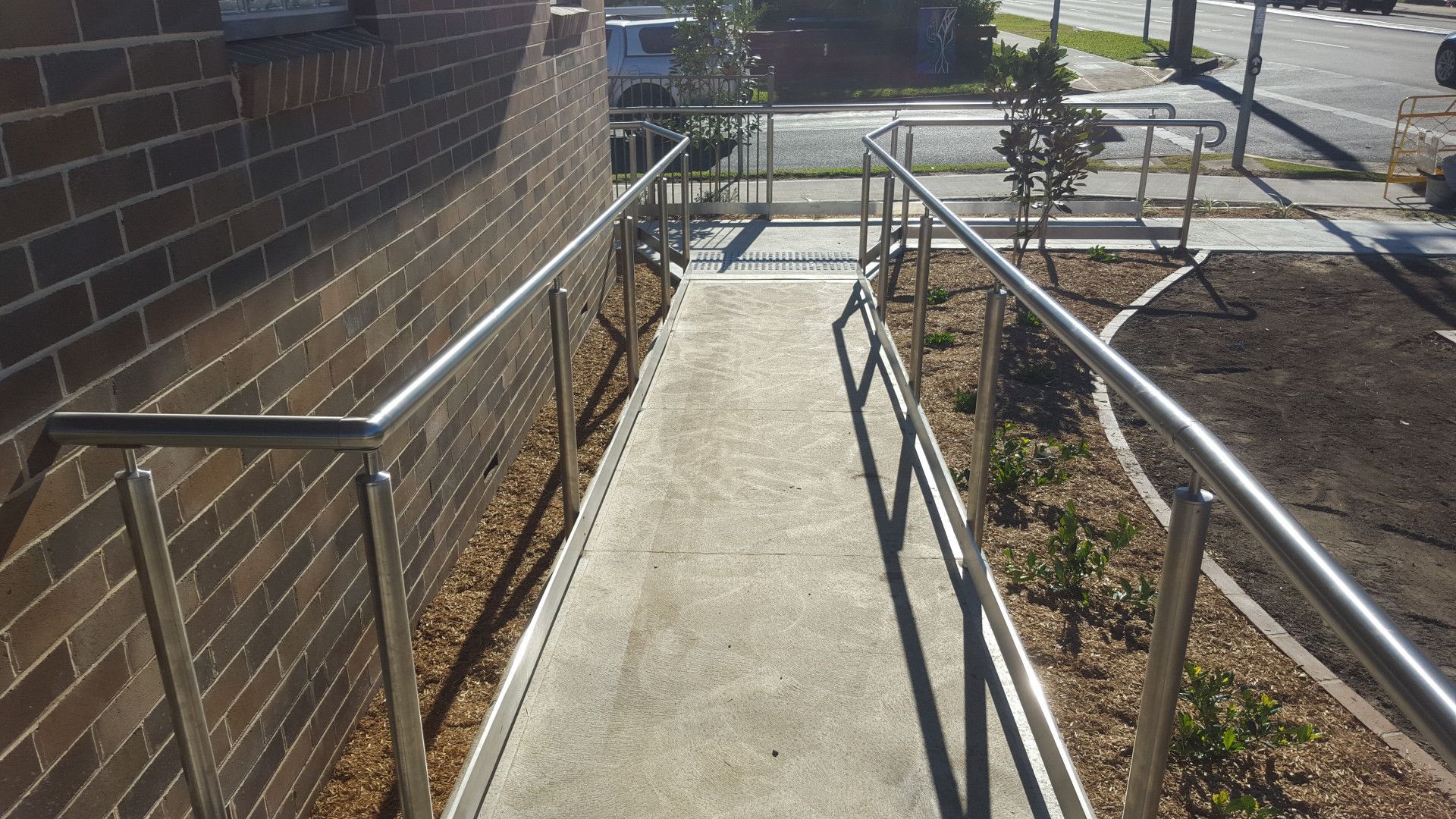
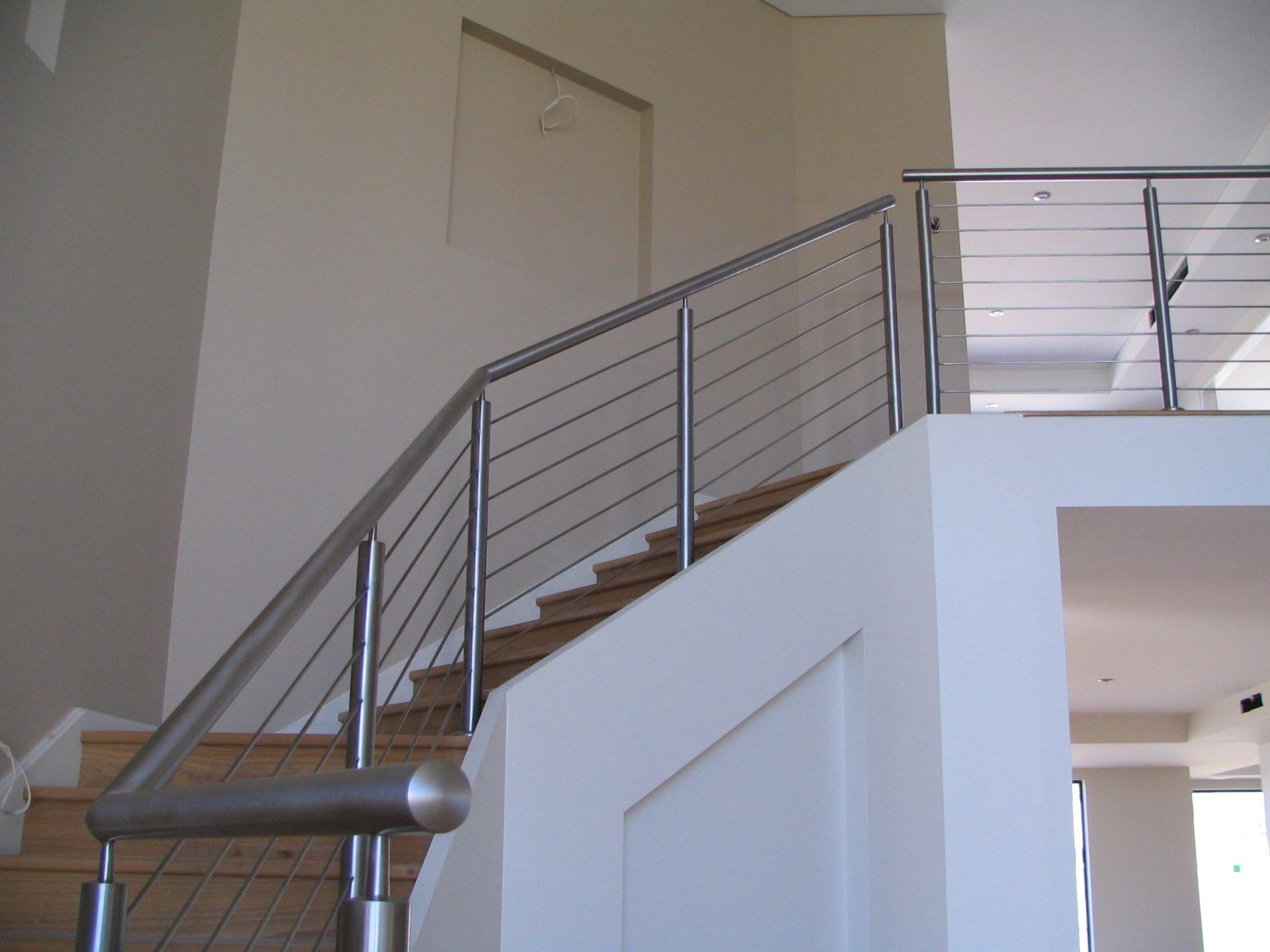
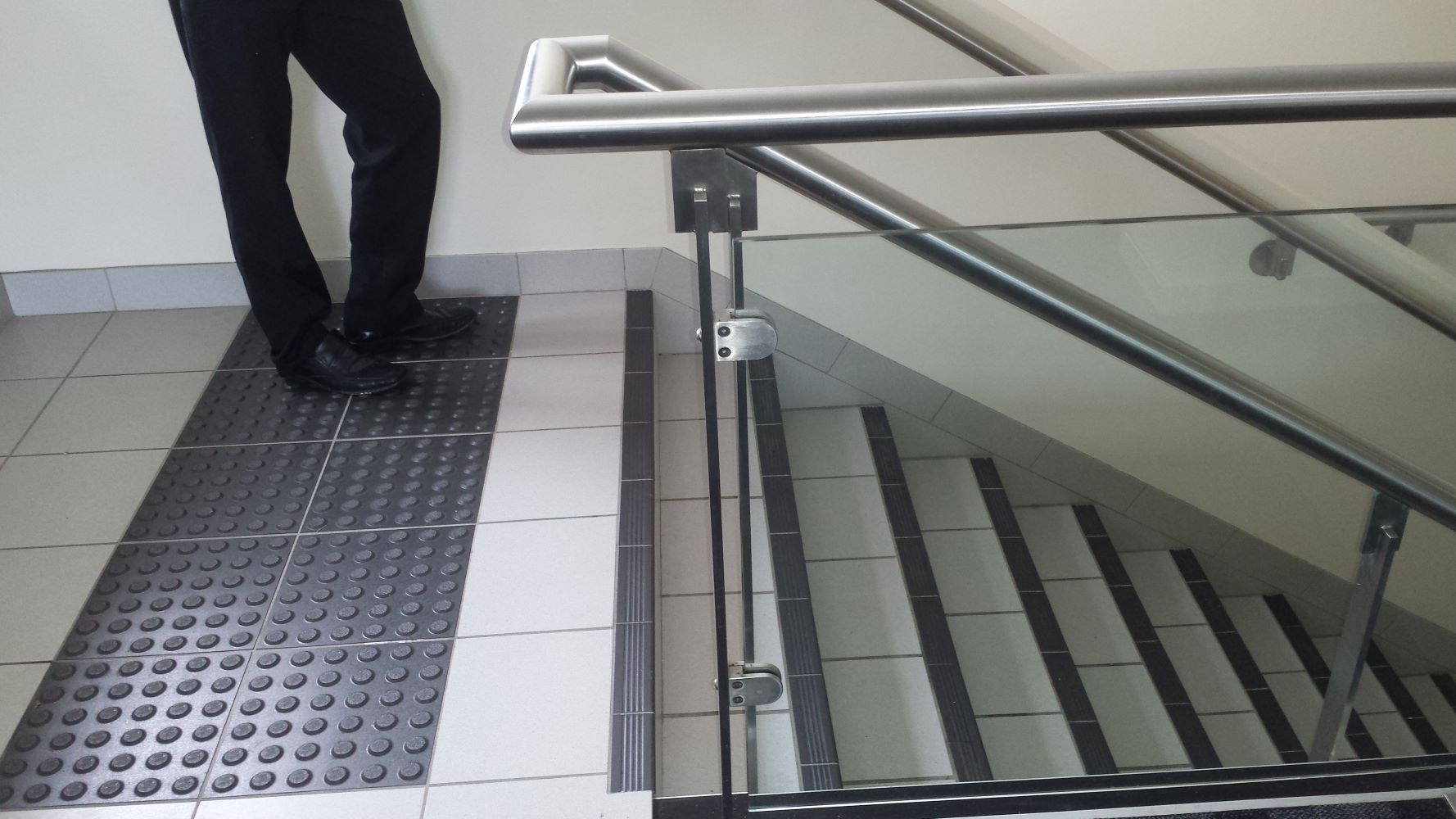
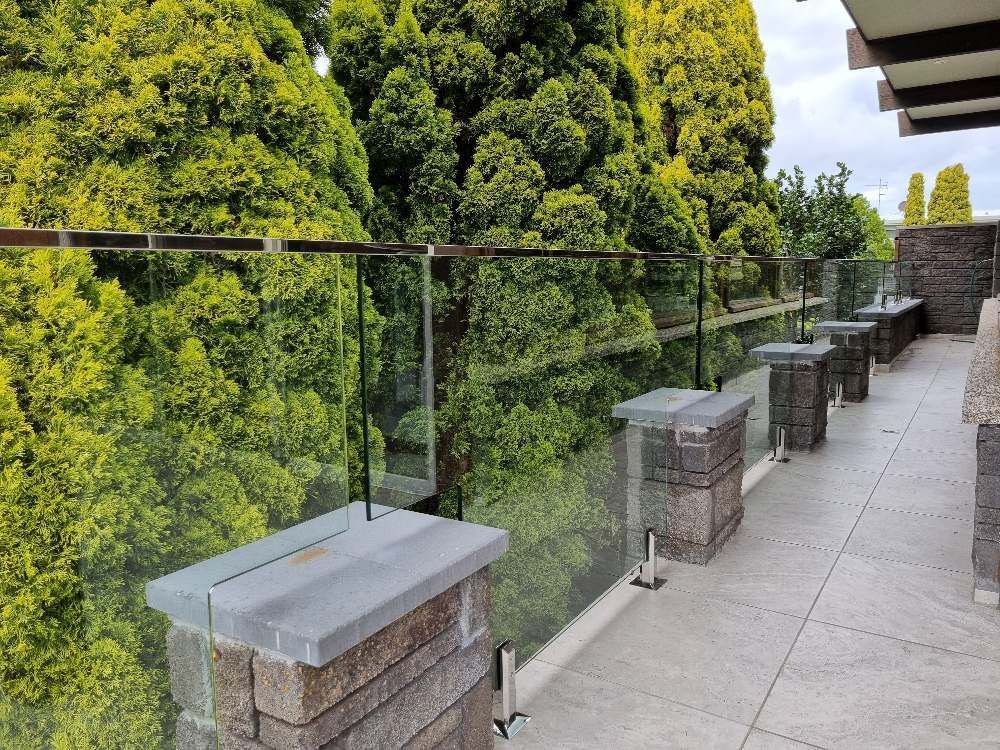
Stainless steel balustrades are frequently selected for industrial and commercial applications because they combine strength with resistance to rust and environmental wear. Proper fabrication and installation further enhance their durability.
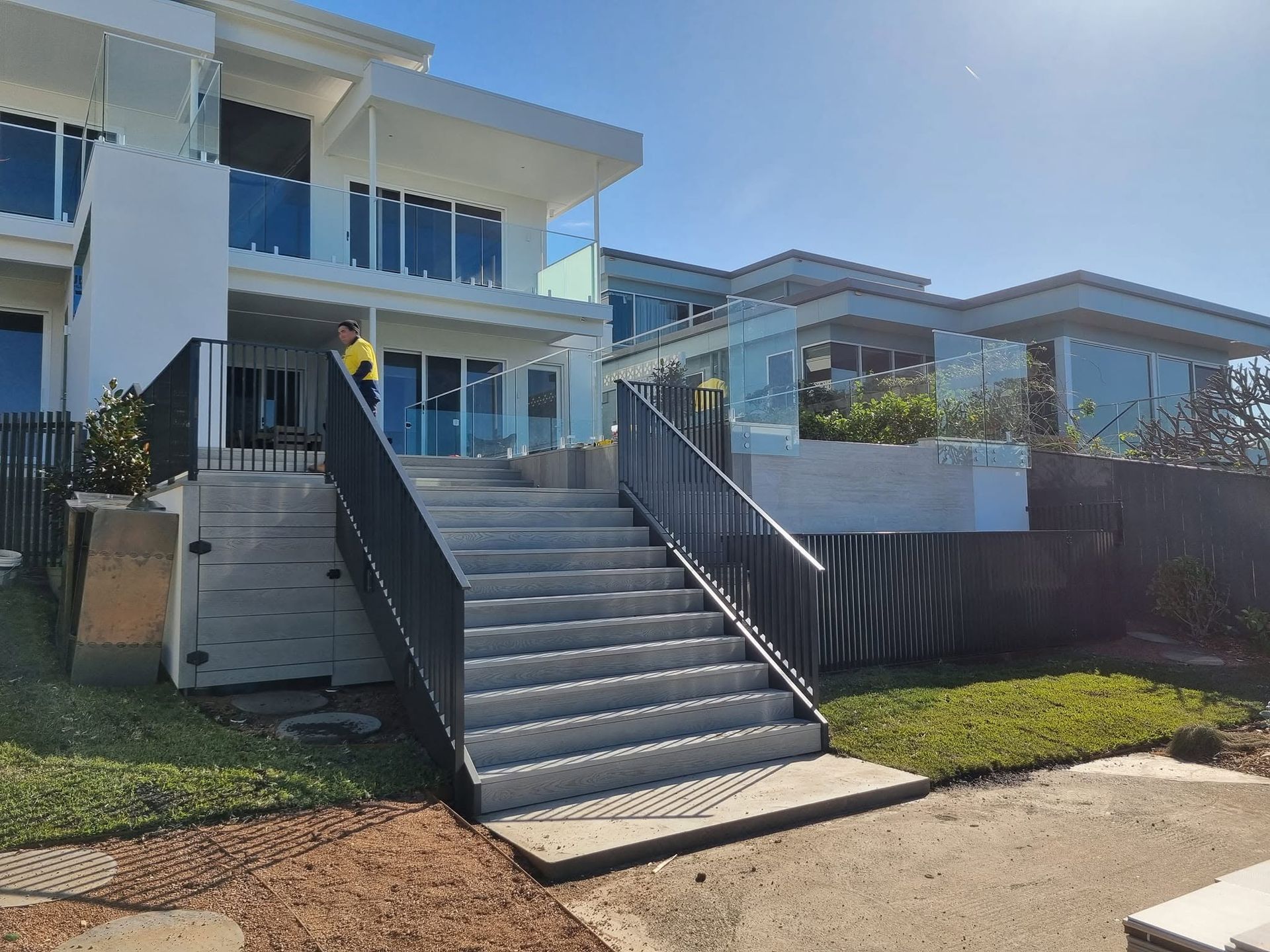
Those considering replacement may explore professionally fabricated systems such as stainless steel balustrades, which are designed to provide reliable structural performance while maintaining a clean, modern appearance. Many property owners also consider upgrading to high-quality steel balustrade solutions in Wollongong that are specifically suited to coastal conditions.
Choosing high-quality materials and experienced fabrication services can help ensure that new balustrades continue to perform safely for many years.
Learn More
Maintaining safe and compliant guardrail systems is an ongoing responsibility for commercial and industrial property managers. We at DT Balustrade understand the challenges that coastal environments in Wollongong can present for outdoor metal structures, from salt-laden air to constant exposure to wind and rain. If your site requires professional assessment or replacement of ageing balustrades, our team can assist with durable fabrication solutions designed for demanding conditions. To learn more or arrange a consultation, speak with our specialists about improving the safety and longevity of your balustrade systems in Wollongong.