How Weather Conditions In Wollongong Affect Your Balustrade Choice
Wollongong’s coastline brings together sea breezes, salty air, strong winds and high humidity — a combination that can be stunning to look at but harsh on building materials. For homeowners planning a renovation or new build, choosing the right
balustrade isn’t just about aesthetics. It’s about selecting materials that can stand up to the local climate while staying safe, durable and low maintenance. Whether you’re upgrading a balcony, deck or staircase, understanding how local weather affects balustrades can save you from premature corrosion, ongoing repairs or structural issues later on. This guide explores how the environment shapes the performance of different balustrade materials and what you should consider before making your choice.
Why Coastal Conditions Can Damage the Wrong Balustrade Materials
Living close to the ocean means your home is constantly exposed to salt-laden air. This salty moisture settles on surfaces and slowly corrodes metals or breaks down finishes. In exposed areas — like balconies and external staircases — balustrades take the full impact. Salt exposure affects different materials in different ways, and some are more vulnerable than others. If your balustrade isn’t built for harsh conditions, its appearance and structural integrity can decline faster than expected. Key climate factors affecting Wollongong balustrades include:
- Salt air: accelerates rust and corrosion
- High winds: put additional pressure on railings and fixings
- Humidity: encourages mould and rot in timber
- UV exposure: fades finishes and weakens surface coatings
This is why choosing Wollongong balustrades with climate in mind is essential for long-term performance.
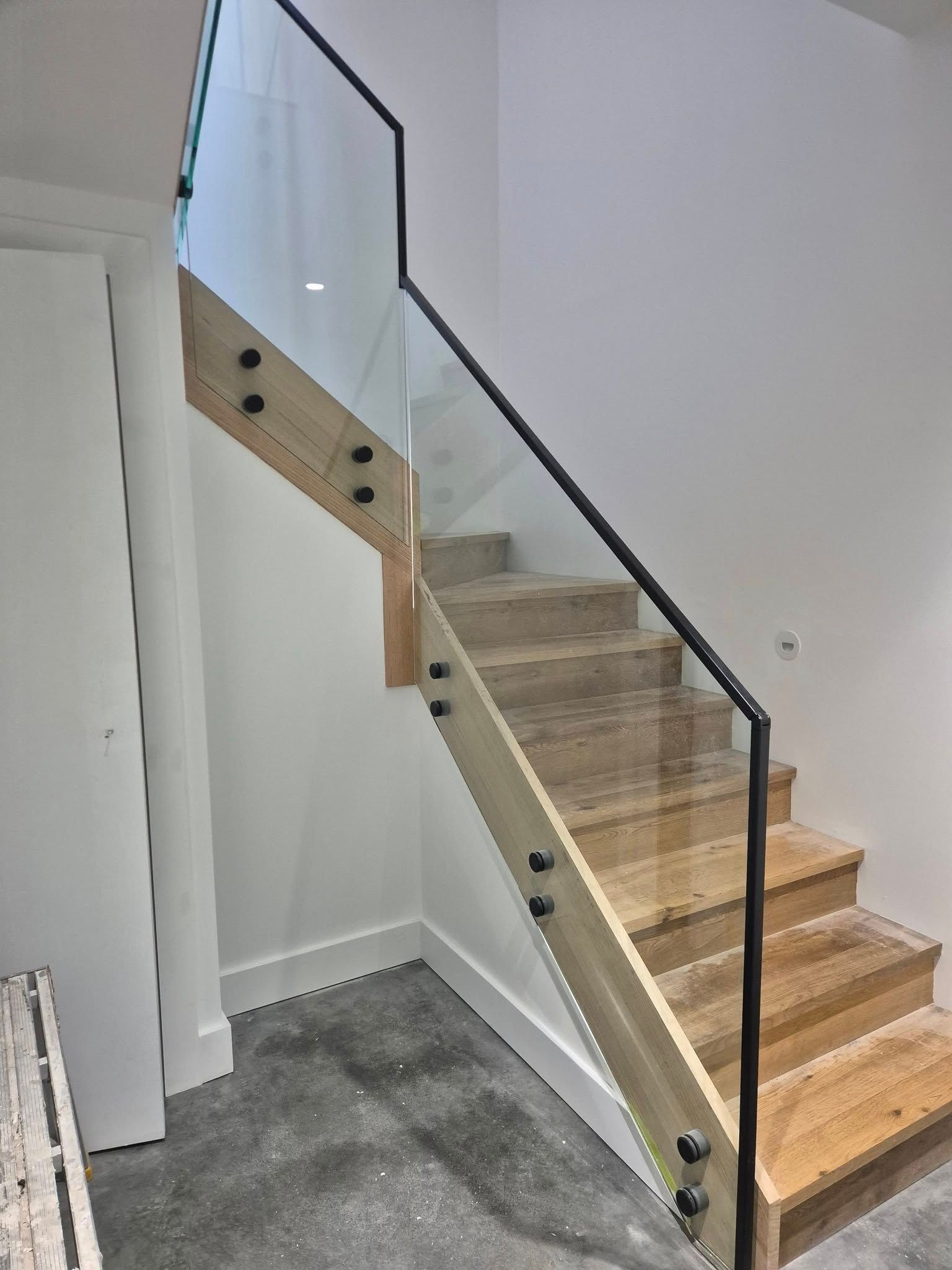
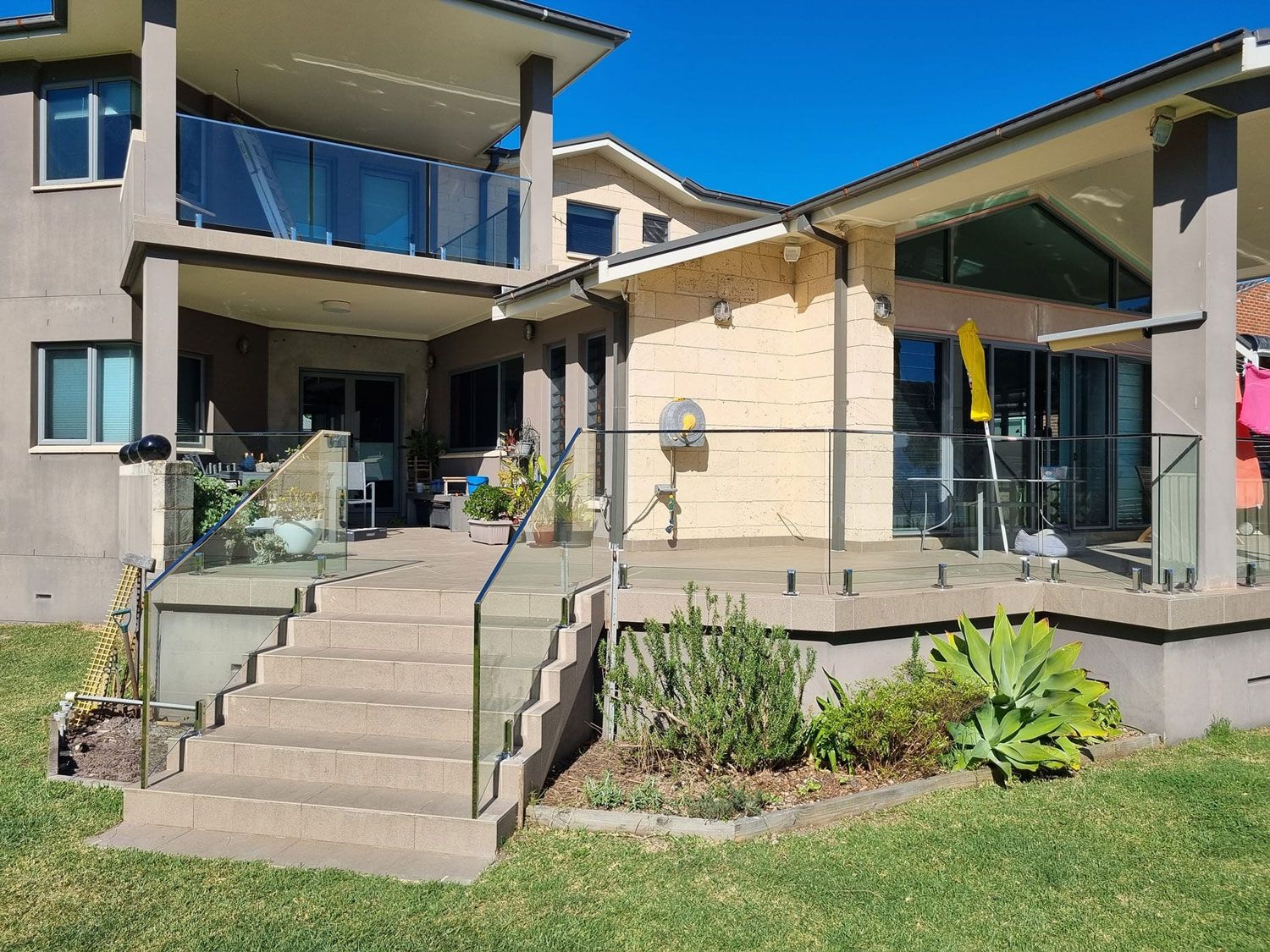
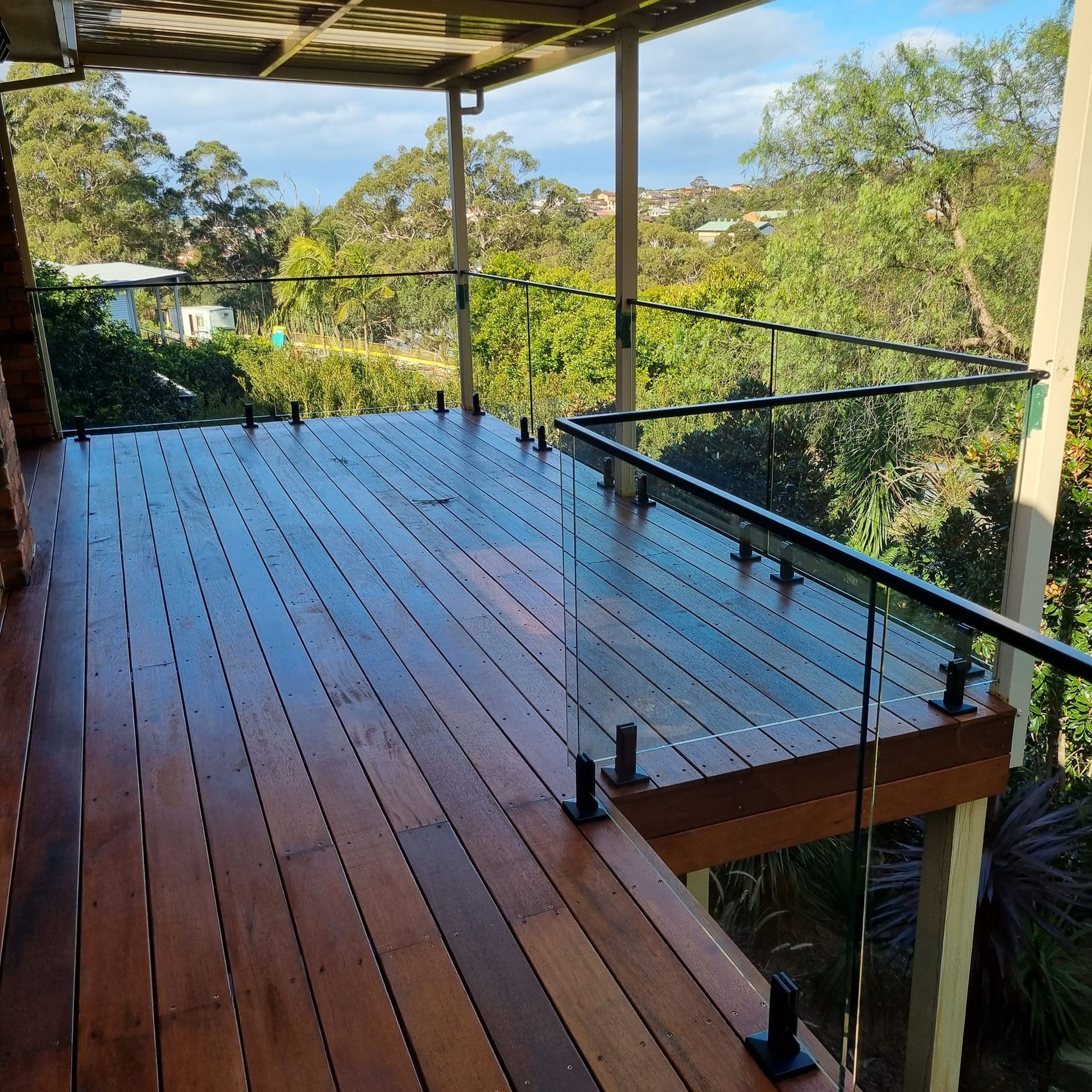
Glass Balustrades: Stunning Views With the Right Maintenance
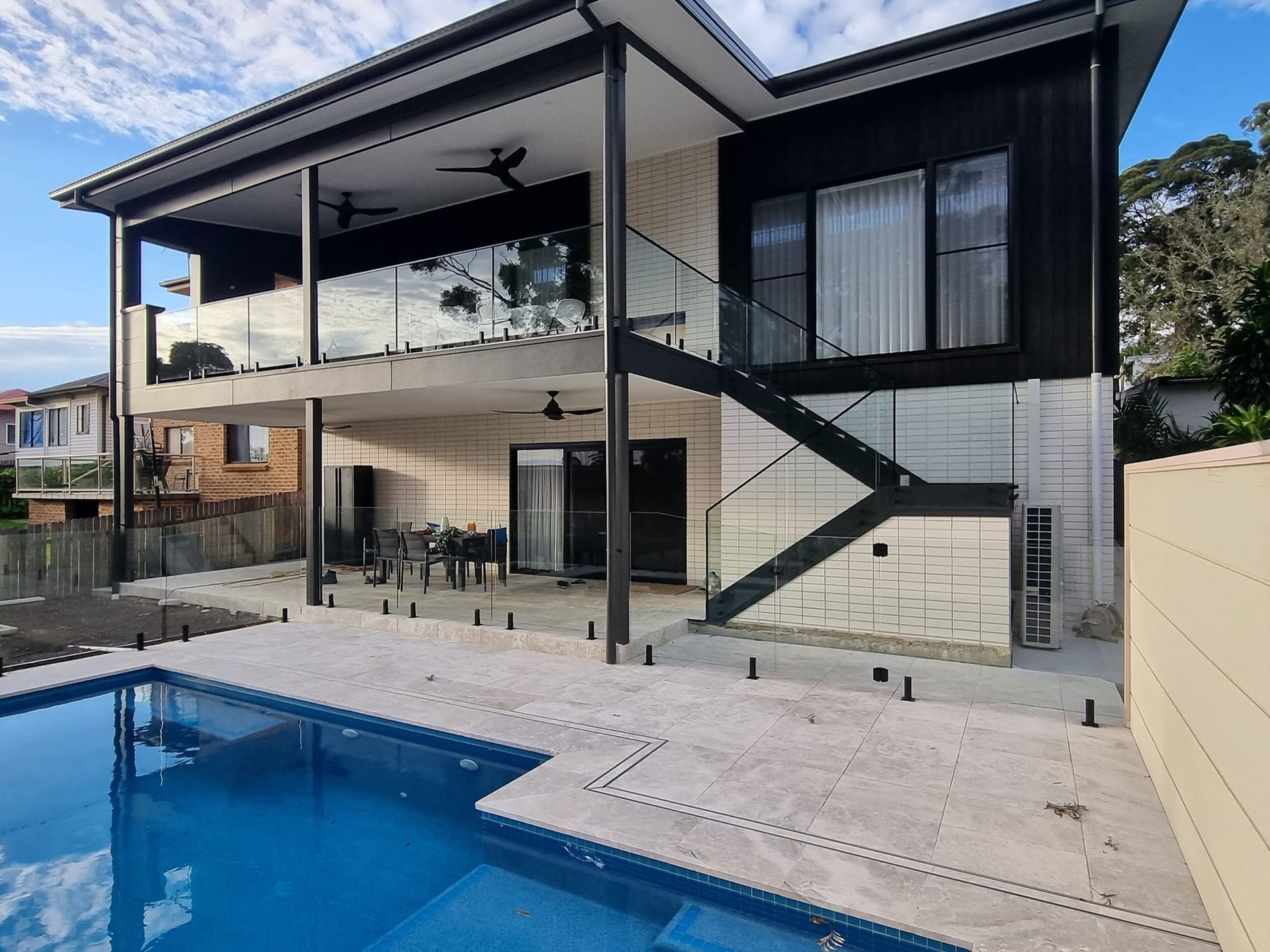
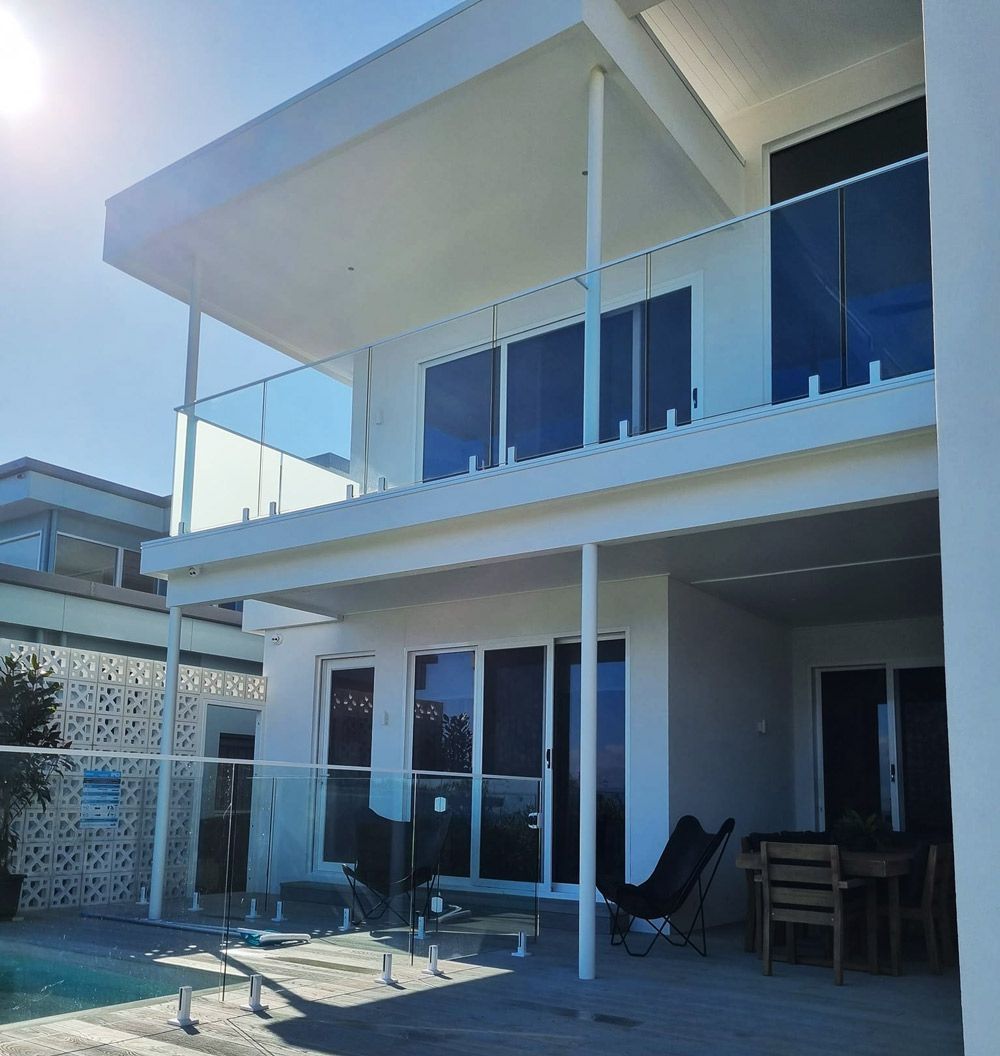
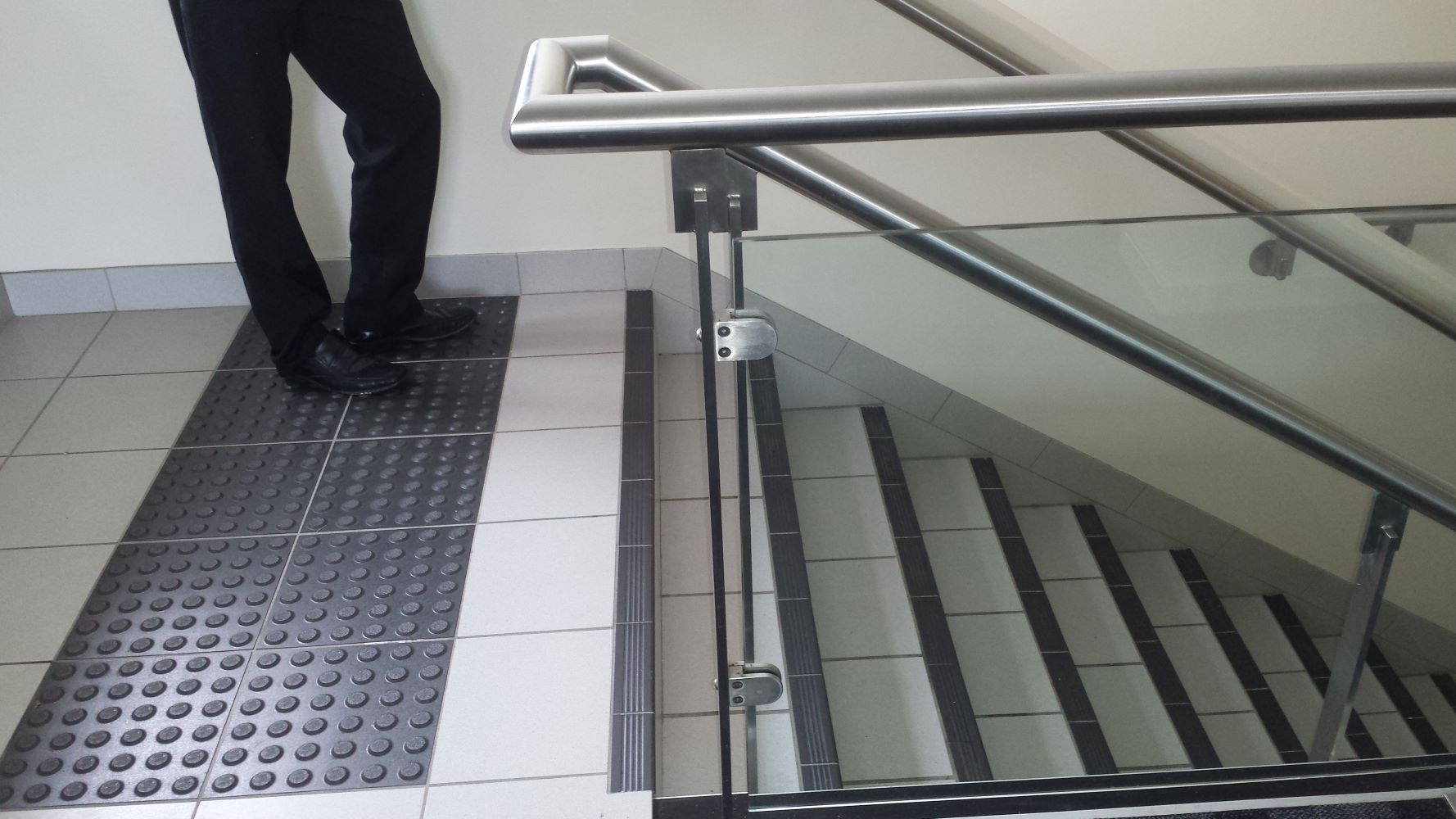
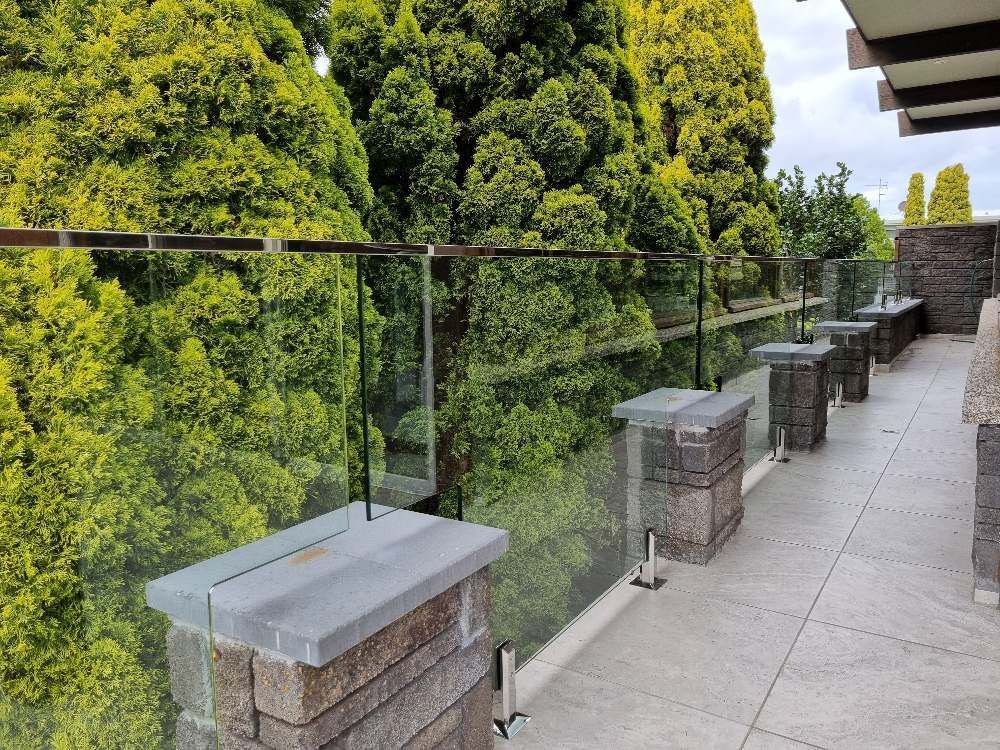
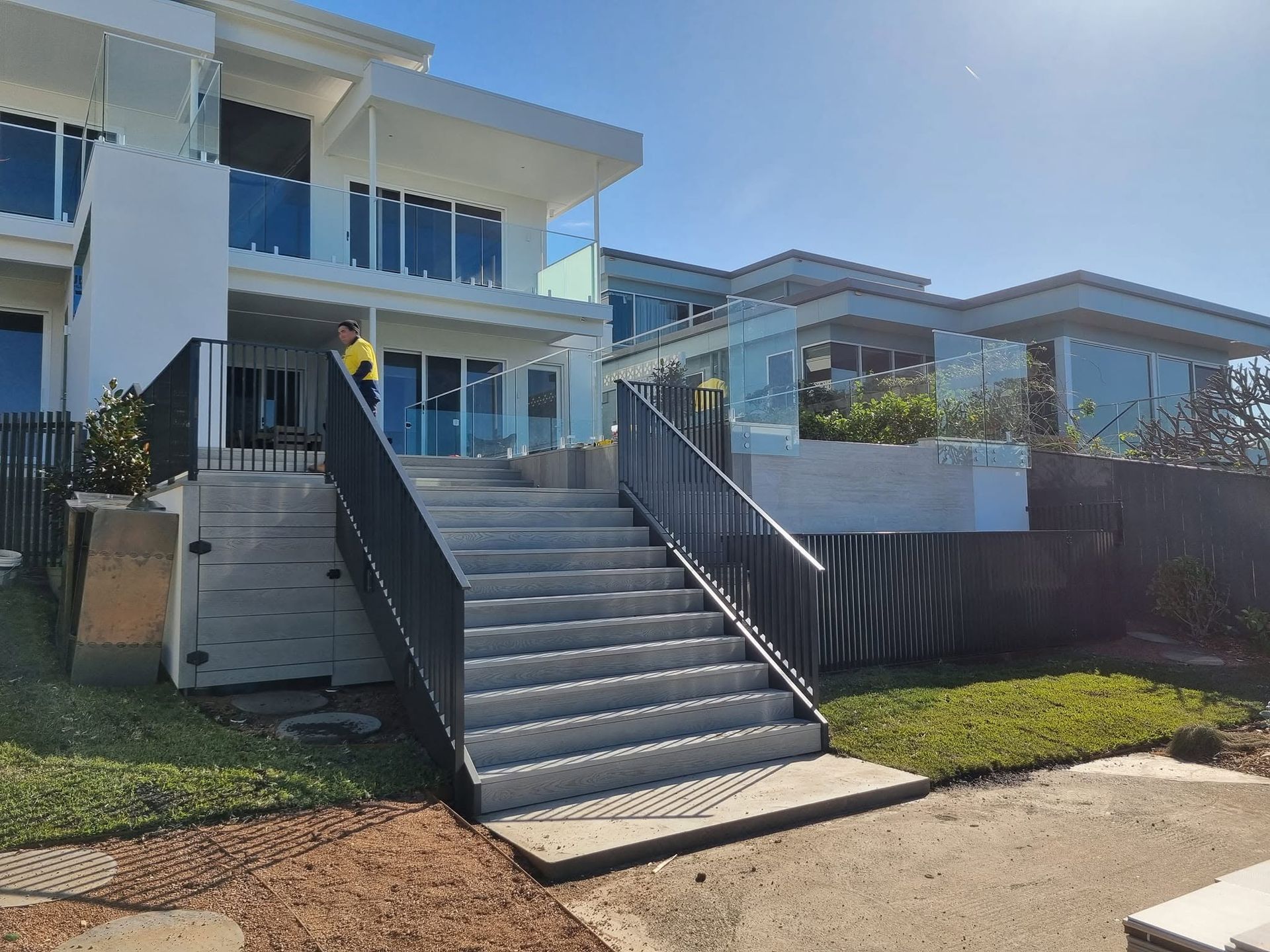
Glass balustrades are popular for coastal homes because they maximise views and give a clean, modern finish. However, not all glass systems are created equal — the hardware matters just as much as the panels. In coastal climates, hardware such as clamps, brackets and handrails must be made from corrosion-resistant materials. Without the right components, salt air can leave etching, marks and structural issues.
- Stainless steel or aluminium hardware is essential
- Toughened glass panels resist wind pressure
- Regular cleaning prevents salt build-up on surfaces
Glass works beautifully near the coast, but choosing the right system is key to keeping it clear and intact.
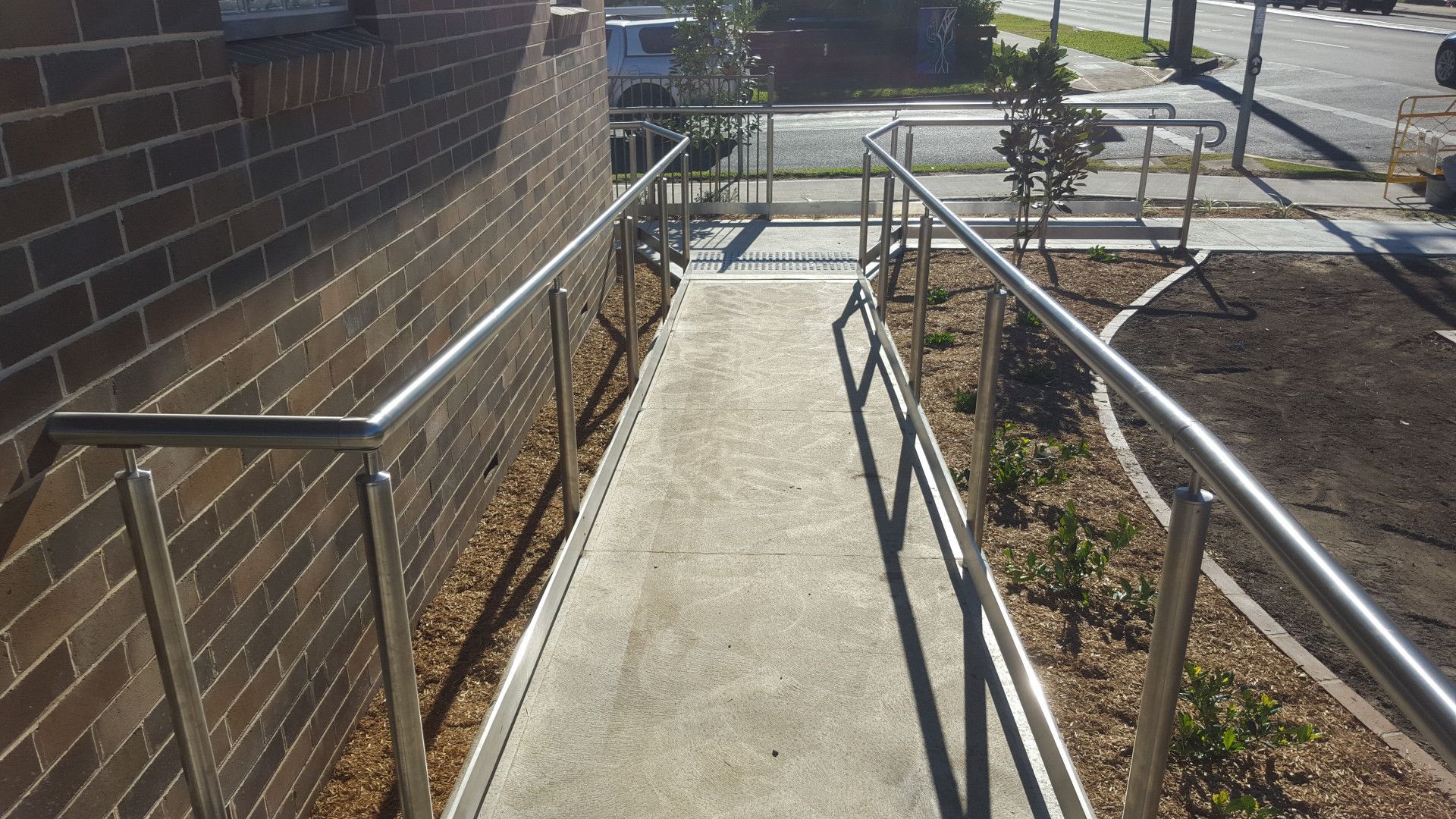
Stainless Steel Balustrades: Strong, Durable and Coastal-Ready
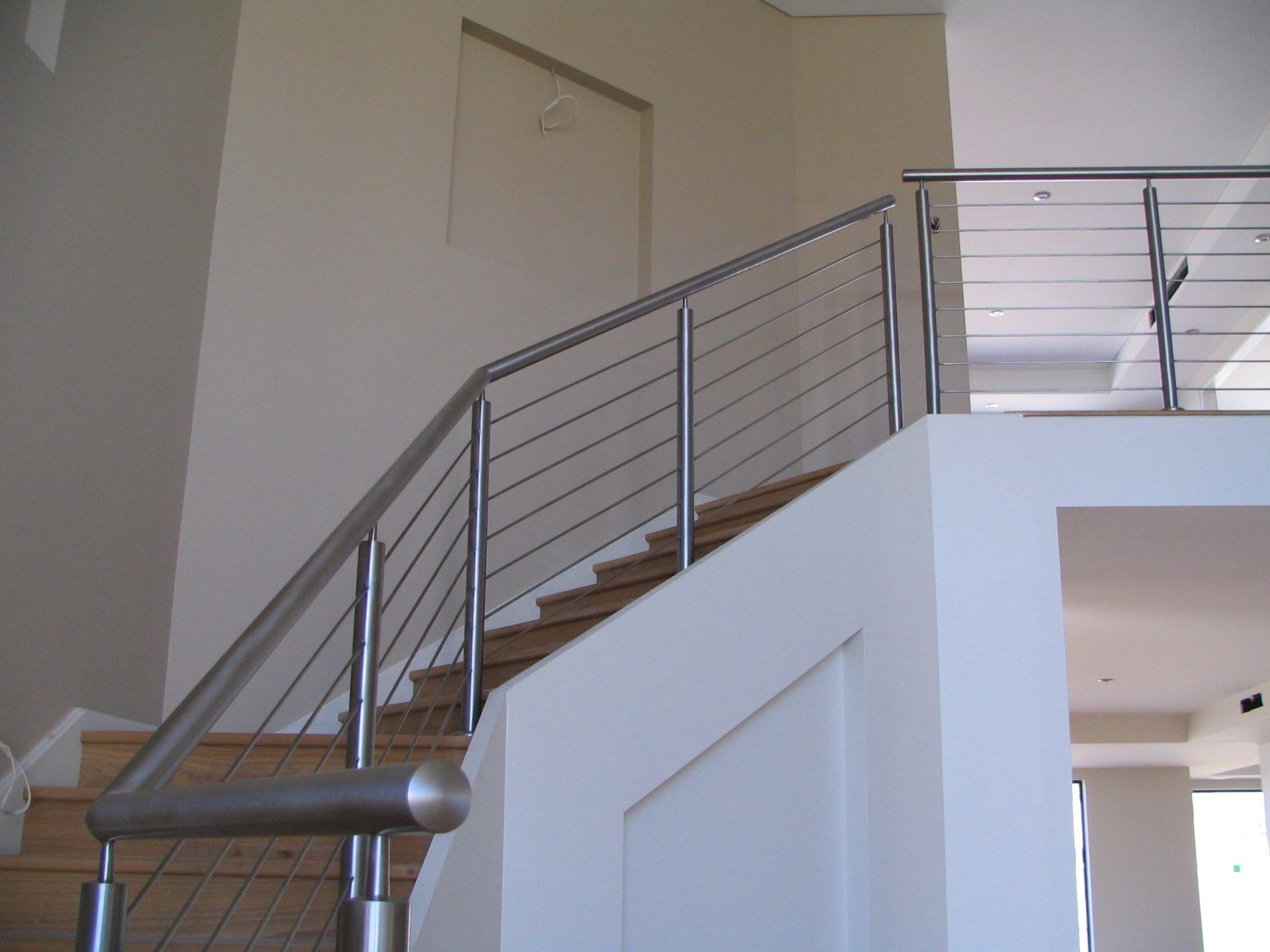
Stainless steel is one of the top choices for balustrades, especially when selecting marine-grade materials. The grade of stainless steel matters more than most people realise — 316 stainless steel is designed specifically for coastal environments and resists corrosion far better than standard 304 grade. Railings, wire systems and posts made from high-quality stainless steel are ideal for homes regularly exposed to salt air and wind. What makes stainless steel suitable:
- Marine-grade steel withstands harsh coastal conditions
- Minimal maintenance compared to mild steel
- Excellent structural strength for windy areas
If long-term durability is a priority, stainless steel is one of the most reliable options.
Aluminium Balustrades: Lightweight, Modern and Rust-Resistant
Aluminium balustrades are another strong performer in coastal suburbs. They don’t rust like steel and can be powder-coated for additional protection against humidity and UV exposure. Aluminium is especially popular for modern architectural designs, and because it’s lightweight and corrosion-resistant, it suits balconies, pool areas and upper-storey decks. Aluminium works well near the coast because:
- It's a naturally rust-proof material
- Powder coating adds an extra layer of weather protection
- It's lightweight but strong enough for exterior installations
For homeowners wanting a modern look without heavy maintenance, aluminium is a smart and practical choice.
Timber Balustrades: Classic Charm With Extra Care Required
Timber brings warmth and character to a home, but it requires more maintenance in coastal environments. High humidity, salty air and UV exposure can lead to swelling, cracking or rot if the timber isn’t properly sealed and maintained. Timber balustrades can still be used effectively, but they work best in locations with partial shelter or when homeowners are committed to routine upkeep. Timber considerations for coastal areas include:
- Must be sealed and re-sealed regularly
- Prone to moisture absorption and sun damage
- Works best when combined with other durable materials
Timber suits heritage homes and classic architectural styles, but buyers should consider the long-term maintenance commitment.
How Strong Winds Influence Your Balustrade Design
Elevated suburbs and seaside homes often experience strong winds — particularly on hilltops, escarpment edges or open coastal blocks. Balustrades must comply with strict wind-load requirements to ensure safety. Different materials respond differently to wind pressure. Glass, for instance, needs thicker panels, while stainless steel wires must be tensioned correctly. Some wind-related design considerations include:
- Impact on panel thickness and post spacing
- Need for secure fixings into solid substrate
- Some materials require wind-rated engineering
A qualified installer ensures your balustrade meets local safety standards and withstands high winds year-round.
Finishes and Coatings That Extend Your Balustrade’s Lifespan
Even the strongest materials benefit from protective coatings. In coastal regions, finishes play a crucial role in resisting corrosion and maintaining appearance.
Coatings can prevent fading, rust marks and structural weakening — especially on metal balustrades. Protective options include:
- Powder coating for aluminium
- Electropolishing for stainless steel
- UV-resistant sealants for timber
- Anti-corrosion treatments for hardware
A good finish doesn’t just improve the look — it protects your investment.
Maintenance Tips for Balustrades in Coastal Environments
No matter the material, coastal homes require a higher level of maintenance to get the best performance from their balustrades. Routine cleaning and occasional inspections help prevent early wear and catch issues before they become expensive problems. Coastal balustrade maintenance essentials include:
- Rinse metal balustrades with fresh water to remove salt
- Clean glass regularly to prevent etching
- Check fixings for signs of corrosion or loosening
- Re-seal timber annually to protect against moisture
With a consistent maintenance schedule, balustrades remain safe, attractive and long-lasting.
Arrange a Consultation Today
Choosing the right balustrade for a coastal home isn’t simply about style — it’s about selecting materials built to thrive in Wollongong’s unique climate. Whether you prefer stainless steel, aluminium, glass or timeless timber, choosing weather-resistant materials ensures your balustrades stay functional and beautiful for years to come. If you're upgrading or installing
balustrades in Wollongong, expert guidance makes all the difference. At
D & T Balustrade Systems, we help homeowners choose systems designed to handle local coastal conditions — from salt air to strong winds and humidity.
Contact us to explore durable, long-lasting balustrade options tailored to your home.