Common Maintenance Issues With Steel Balustrades In Coastal Environments
Coastal living means outdoor metalwork regularly faces salt air, moisture and strong winds. Over time, these conditions can contribute to staining, corrosion and wear. For properties with steel balustrades in Wollongong, understanding common issues can help you spot early changes and keep your balustrades in good condition.
Why Wollongong's Coastal Conditions Are Tough On Steel Balustrades
Wollongong's coastal location means outdoor balustrades can be exposed to airborne salt, moisture and changing weather conditions. Salt particles carried by the wind can settle on stainless steel surfaces, including areas that receive little natural washing from rain.
The amount of exposure varies between properties. Key factors include:
- Distance from the coastline
- Exposure to salt-carrying winds
- Areas sheltered from rainfall
- The grade and finish of stainless steel
- How often the balustrade is cleaned
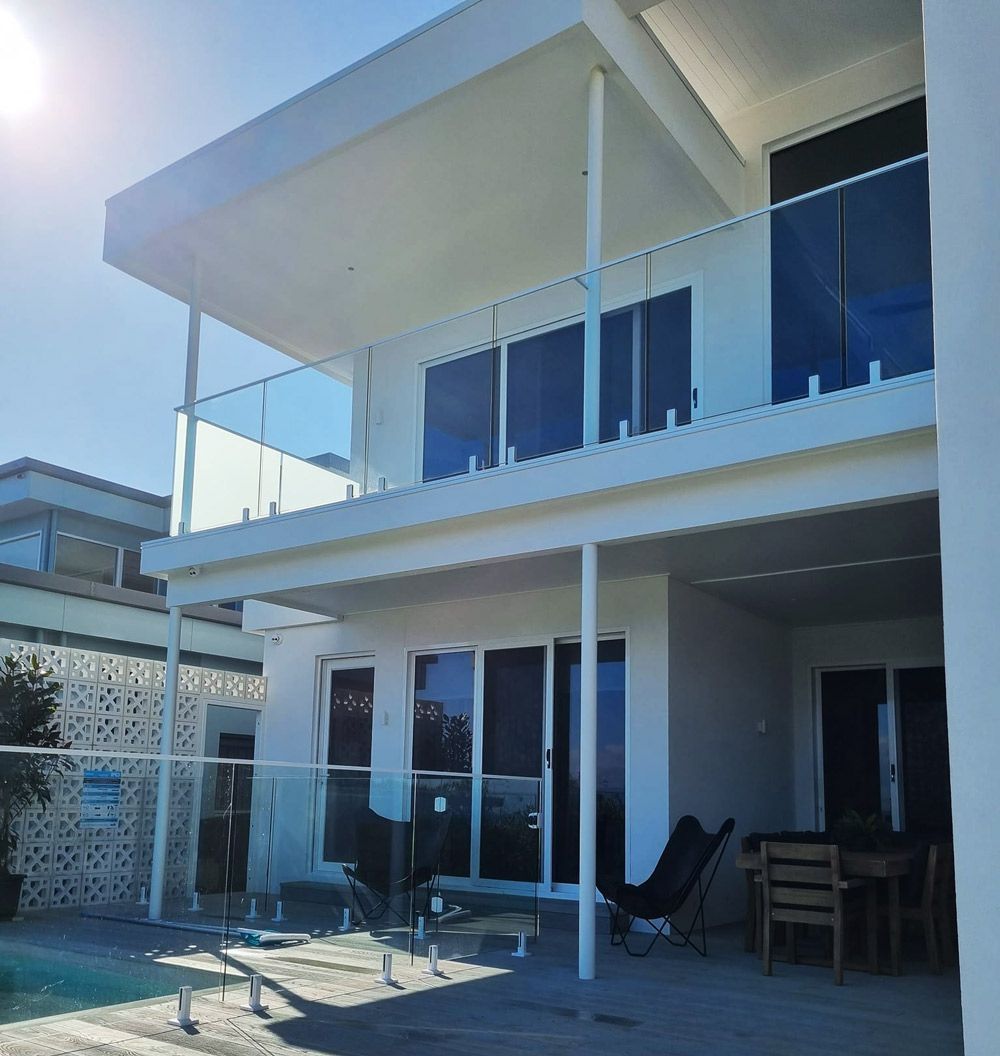
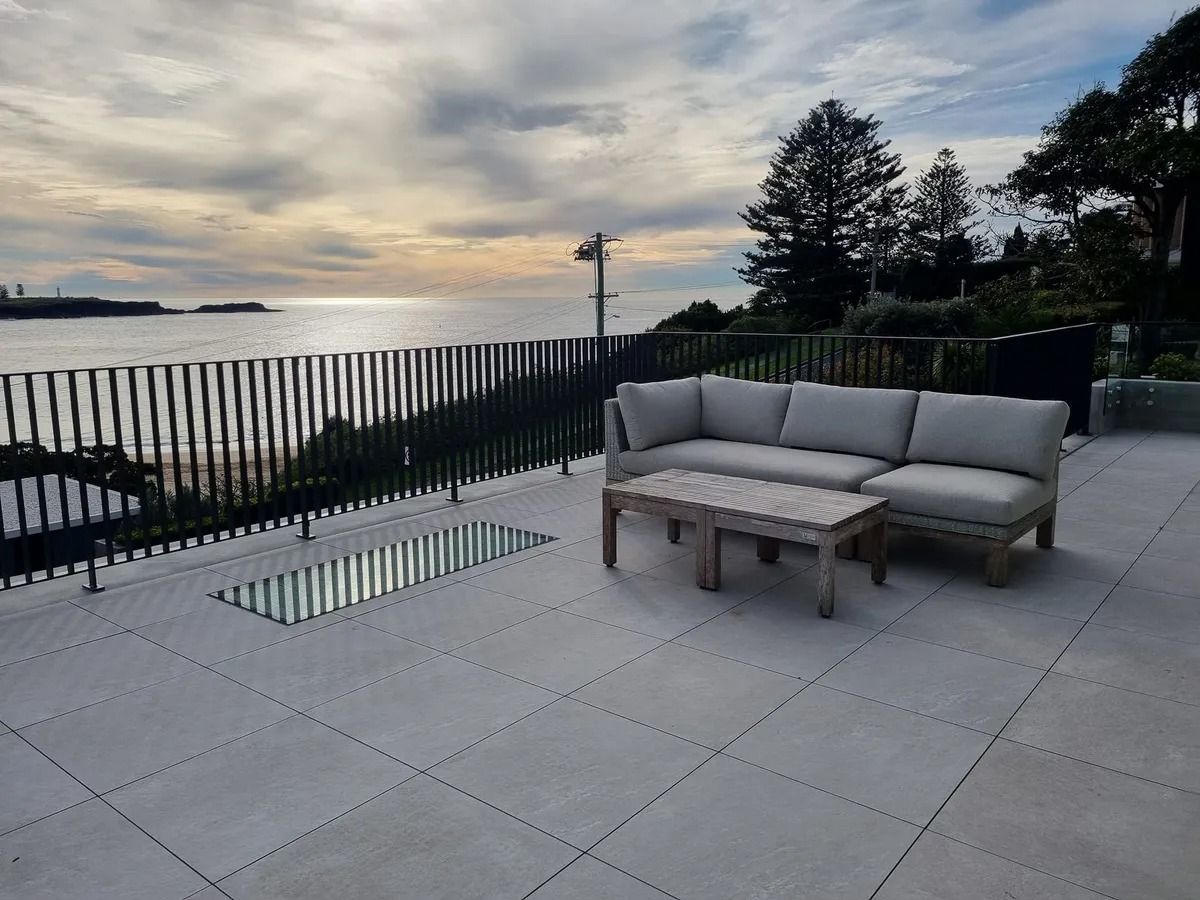
Balconies, stairs and pool surrounds can experience different levels of exposure depending on their position. Choosing suitable materials and keeping surfaces clean can help manage these coastal conditions.
How Salt Air And Moisture Affect Steel Balustrades Over Time
Stainless steel has a thin protective layer that provides corrosion resistance. When airborne salt settles on the surface and combines with moisture, it can gradually affect its appearance.
One common result is tea staining, which usually appears as brown discolouration. It is primarily a cosmetic issue rather than an indication that the entire balustrade has structurally failed.
Salt can also collect in places that are easy to overlook, including:
- Around joins and fixings
- Beneath handrails
- In sheltered corners
- On horizontal surfaces
- Areas that do not receive regular rain
Regular cleaning helps remove these deposits. This is particularly relevant for a stainless steel balustrade in Wollongong, where ongoing coastal exposure can make maintenance more important.
The Most Common Maintenance Issues With Steel Balustrades In Coastal Areas
Understanding common maintenance problems can make it easier to recognise when cleaning may be enough and when further attention is needed.
- Tea staining: Brown discolouration can develop when salt and moisture remain on stainless steel. Routine cleaning can help reduce the build-up that contributes to staining.
- Pitting corrosion: Small, localised areas of corrosion can develop on the surface. Chloride-rich coastal environments can increase this risk, particularly when salt deposits remain on the steel.
- Corrosion around welds and joins: Crevices and poorly draining areas can hold moisture and salt. Welded sections also need suitable finishing to maintain corrosion resistance.
- Loose fixings: Wind, vibration and ongoing exposure can contribute to movement. Loose brackets, bolts or mounting points need attention, particularly if the balustrade begins to wobble or rattle.
- Mixed-metal corrosion: Contact between dissimilar metals can create a risk of galvanic corrosion when moisture is present. Appropriate material selection can help minimise this issue.
Regular checks of coastal balustrades can make these changes easier to identify early.
Early Signs Of Corrosion Or Rust To Watch For
Maintenance problems can first appear as surface changes or movement of individual components. Checking the balustrade while cleaning provides a good opportunity to notice anything unusual.
Watch for:
- Brown or orange surface marks
- Small pits or rough areas
- Staining around welds and joins
- Corrosion near fixings
- Loose bolts, brackets or posts
- Movement when pressure is applied
- Cracking or separation around connections
Minor surface rust or staining may be manageable with appropriate cleaning, but recurring corrosion, deeper pitting or movement can indicate a more significant problem.
Knowing when to address weather-damaged outdoor balustrades can help prevent deterioration or movement from being overlooked.
Why 316 Marine-Grade Stainless Steel Makes A Difference
The grade of stainless steel matters in coastal conditions. 316 marine-grade stainless steel contains molybdenum, which gives it greater resistance to chloride-related corrosion than grade 304 stainless steel.
This makes grade 316 a common choice for coastal and marine environments. For steel balustrades in Wollongong, material selection should take the property's exposure and intended application into account.
However, 316 stainless steel is not maintenance-free. Salt can still accumulate and tea staining can occur, particularly on surfaces that receive little rain.
Good performance depends on several factors:
- Selecting stainless steel suited to the environment
- Using appropriate fabrication and finishing methods
- Paying attention to welds, joins and drainage
- Cleaning away accumulated salt and grime
- Inspecting the balustrade for developing problems
Using corrosion-resistant stainless steel provides a strong starting point, while maintenance helps protect its appearance.
Simple Maintenance Tips To Keep Your Balustrades Looking Their Best
Regular cleaning is one of the simplest ways to manage salt air corrosion and staining. Include exposed stainless steel in normal exterior property maintenance rather than waiting for visible discolouration.
A straightforward routine can include:
- Wash surfaces with clean fresh water
- Use mild soap or detergent with warm water when needed
- Rinse cleaning products thoroughly
- Wipe surfaces dry where practical
- Clean sheltered areas where rain cannot reach
- Remove visible salt and grime
- Check fixings and joins while cleaning
- Look for staining, pitting or movement
Avoid cleaners containing bleach or chlorides and harsh abrasives that could damage the stainless steel surface.
Cleaning frequency depends on the property's exposure. A balustrade close to breaking surf may need more frequent attention than one further inland or protected from prevailing coastal winds.
Maintenance requirements for Wollongong balustrades can vary depending on their material, finish and level of coastal exposure.
When To Call A Professional For Repairs Or Replacement
Routine balustrade maintenance can help manage surface contamination, but cleaning cannot correct every issue.
Consider professional assessment if you notice:
- Significant or recurring corrosion
- Deep pitting in the steel
- Loose or unstable posts
- Damaged brackets or fixings
- Cracking around welds or connections
- Noticeable movement
- Damaged or distorted sections
These issues are particularly important on balconies, stairs and elevated areas where the balustrade functions as a barrier. Strata managers should also include commercial balustrades in routine property inspections to identify deterioration or loose components.
Whether repair or replacement is appropriate depends on the condition, materials and extent of deterioration.
Keep Your Coastal Balustrades Maintained
Salt air and moisture can be demanding on outdoor metalwork, but suitable materials and regular maintenance can help manage their effects. Cleaning salt deposits, checking fixings and addressing corrosion early can help keep stainless steel balustrades in good condition.
D & T Balustrade Systems fabricates and installs stainless steel systems for residential, commercial and industrial properties. If you need advice about existing balustrades or are considering new steel balustrades in Wollongong, contact our team to discuss your options.
FAQs
How often should stainless steel balustrades be cleaned near the coast?
There is no single cleaning schedule for every coastal property. Frequency depends on distance from the ocean, salt exposure, rainfall and whether the balustrade is sheltered. Regular cleaning should prevent visible salt and grime from accumulating.
Is tea staining the same as rust?
Tea staining is a brown surface discolouration associated with corrosion of stainless steel in coastal environments. It is generally an appearance issue rather than evidence that the whole balustrade has failed. Deeper pitting, significant corrosion or structural movement should be assessed separately.
Can 316 stainless steel still develop tea staining?
Yes. 316 marine-grade stainless steel has strong corrosion resistance, but it is not immune to tea staining. Salt deposits, surface finish, sheltered areas and maintenance can influence whether staining develops.
Should a corroded balustrade be repaired or replaced?
It depends on the extent of deterioration. Surface staining may only require appropriate cleaning or treatment, while deep corrosion, damaged connections, loose posts or significant movement can require professional assessment to determine whether repair or replacement is suitable.